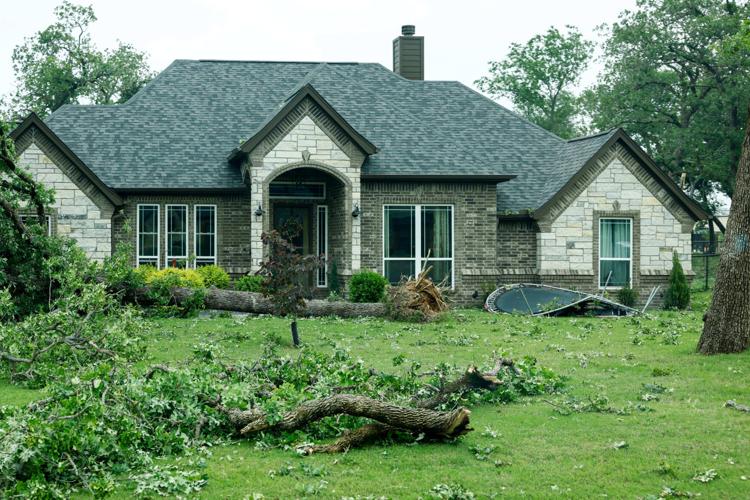
At least two people are dead after a violent outbreak of tornadoes tore through northern Texas, obliterating homes, uprooting trees, and leaving entire neighborhoods unrecognizable. The storms struck with little warning in the early hours, catching residents off guard and overwhelming emergency services.
This isn’t the first time tornadoes have left scars across the Lone Star State. But the speed, intensity, and deadly outcome of this latest event underline a growing vulnerability in rural and suburban communities where infrastructure often isn’t built to withstand EF3+ winds.
The Path of Destruction: Where and How It Hit
The hardest-hit areas include parts of Cooke, Montague, and Wise Counties—regions no stranger to springtime twisters but rarely on the receiving end of such concentrated devastation. One confirmed tornado, estimated to be at least EF3 strength, carved a 17-mile path through the town of Ringgold, where aerial footage shows entire blocks reduced to splintered wood and twisted metal.
Eyewitnesses reported seeing power lines snap like twigs and mobile homes roll across fields as if weightless. In one subdivision near Decatur, six homes were completely leveled, with only slabs remaining. A local fire chief described the scene as “post-apocalyptic.”
First responders began search-and-rescue operations before dawn, navigating downed power lines and flooded roads. By mid-morning, two fatalities had been confirmed—one in a collapsed single-family home, the other in a mobile home park where seven units were destroyed.
“We’ve seen damage like this before, but never this clustered,” said a National Weather Service (NWS) meteorologist stationed in Fort Worth. “The convergence of warm, moist air from the Gulf and a fast-moving cold front created a perfect storm.”
Why This Outbreak Was Especially Dangerous
Tornadoes in northern Texas aren’t uncommon, but several factors made this event particularly lethal:
- Nighttime arrival: The storms hit between 2:30 a.m. and 4:45 a.m., when most people were asleep and less likely to hear warnings.
- Short warning window: The NWS issued a tornado warning only 12 minutes before touchdown in the Ringgold area—far below the recommended 15- to 20-minute lead time.
- Weak shelter infrastructure: Many homes, especially older and mobile structures, lacked storm shelters or basements.
In rural areas, the absence of tornado sirens compounds the risk. Residents rely heavily on smartphone alerts, but spotty cell service during storms often delays or blocks emergency notifications.
One survivor in Montague County said her phone didn’t buzz until after the tornado had passed. “By then, my roof was gone,” she told a local reporter. “If I hadn’t woken up to my dog barking, I wouldn’t be here.”
Human Cost: Lives Lost and Families Displaced
The confirmed deaths include a 68-year-old man in Cooke County whose home was swept off its foundation, and a 41-year-old woman in a mobile home near Sunset. Both structures offered little protection against winds exceeding 140 mph.
At least 15 others were injured, three critically. Local hospitals activated emergency surge protocols to handle the influx. One regional clinic reported treating patients for lacerations, broken bones, and respiratory issues from dust and debris.
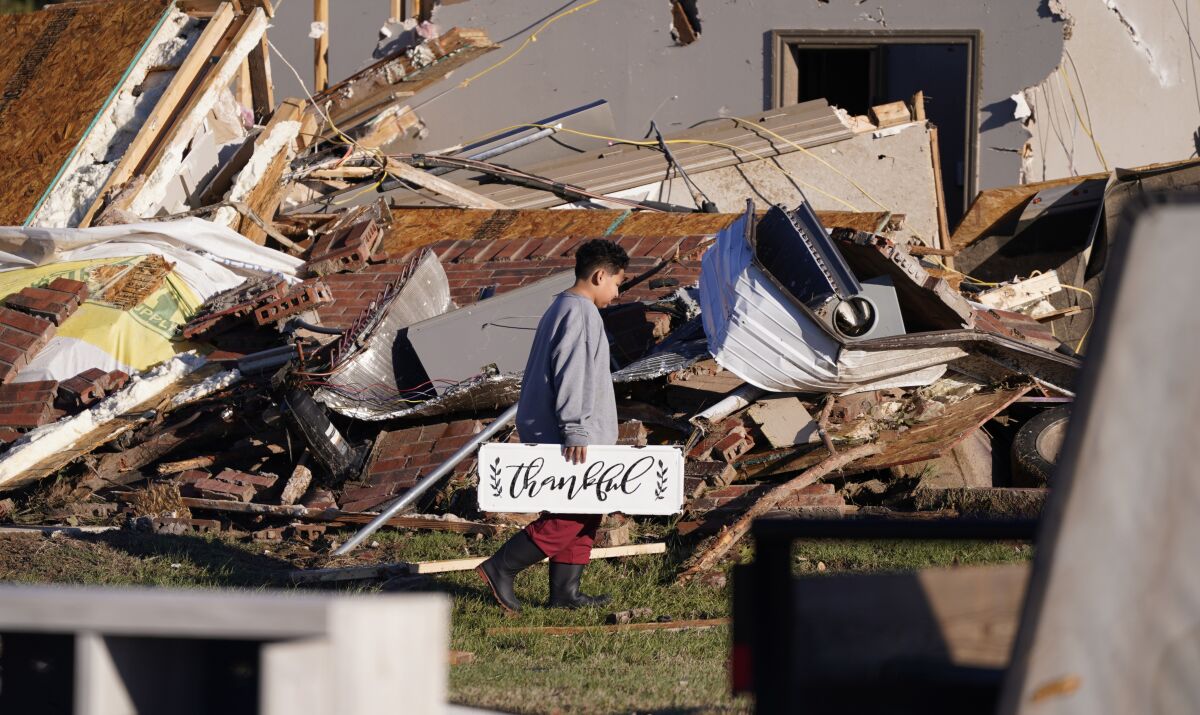
Beyond the physical toll, the emotional trauma runs deep. Children were separated from parents during evacuation, and at least two pets remain missing. A temporary shelter opened at a high school gym in Gainesville hosted over 70 displaced residents in the first 24 hours.
Community volunteers began arriving by midday with bottled water, blankets, and portable generators. “It’s heartbreaking,” said one volunteer handing out meals. “These people went to bed in their homes and woke up with nothing.”
Emergency Response and Recovery Challenges
Local authorities, overwhelmed by the scale of destruction, requested state assistance within hours. The Texas Division of Emergency Management deployed search teams, portable command centers, and drone units to assess structural damage.
But recovery is complicated by several factors:
- Debris removal: Roads are clogged with wreckage, slowing access for aid vehicles.
- Power outages: Over 12,000 customers remained without electricity 36 hours post-storm.
- Insurance gaps: Many affected homeowners are underinsured or lack tornado-specific coverage.
FEMA liaisons are on-site, evaluating whether the damage warrants a federal disaster declaration. If approved, affected families could receive housing assistance, low-interest loans, and grants for repairs.
“We’re still in the response phase,” said a county emergency coordinator. “But we know the long road ahead—rebuilding homes, restoring services, and helping people heal emotionally.”
Lessons from the Rubble: How Communities Can Prepare
This tragedy underscores critical gaps in tornado preparedness, especially in regions considered “moderate-risk” compared to Tornado Alley’s core.
1. Invest in Early Warning Systems Rural towns should consider installing outdoor warning sirens and redundant alert channels (e.g., text, radio, social media). One county in northern Texas recently upgraded its emergency network after a near-miss last spring—those systems likely saved lives this time.
2. Promote Storm Shelter Access Only 29% of homes in the affected counties have basements or designated storm shelters. Local governments can offer tax incentives or low-cost financing for safe rooms. FEMA’s Hazard Mitigation Grant Program already funds such initiatives, but uptake remains low due to awareness gaps.
3. Strengthen Building Codes Many destroyed homes were built before 2000 and didn’t meet current wind-resistance standards. Modern codes require hurricane clips, reinforced garage doors, and anchor bolts—features that can double a home’s chance of surviving EF2+ winds.
4. Community Drills and Education Schools and neighborhoods should conduct annual tornado drills. In Moore, Oklahoma, such practices are credited with reducing casualties during past major storms.
One common mistake? Waiting to act. “People think, ‘It won’t happen here,’” said a disaster psychologist. “But complacency kills. The safest place during a tornado is underground or in an interior room on the lowest floor—no exceptions.”
The Role of Climate and Weather Trends
While no single tornado can be directly attributed to climate change, scientists note a shift in storm patterns across the central U.S.
- Tornado outbreaks are becoming more clustered, with multiple strong twisters in a single system.
- The traditional “Tornado Alley” is expanding eastward, putting states like Texas, Louisiana, and Mississippi at higher risk.
- Warmer Gulf temperatures fuel more moisture-laden storms, increasing instability.
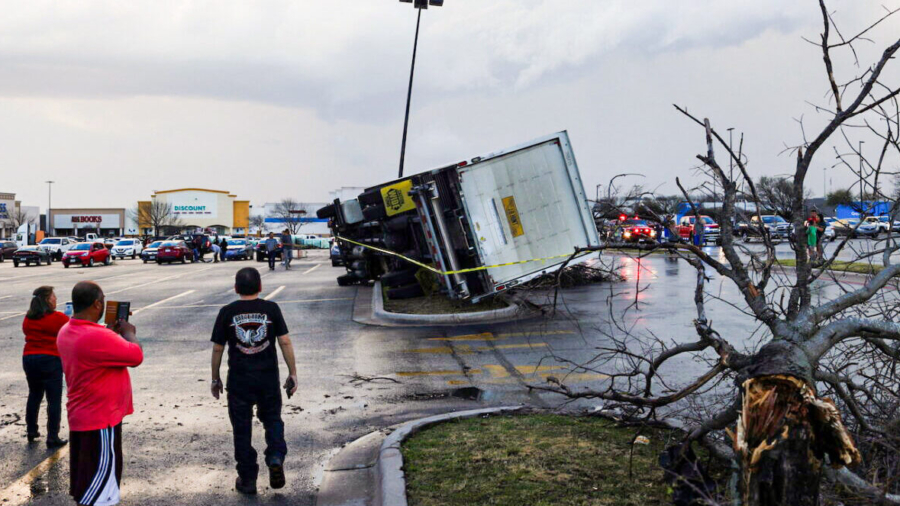
A 2023 NOAA study found that the number of days with multiple tornadoes has increased by 30% over the last two decades. That means communities must prepare not just for isolated events, but for compound disasters.
Northern Texas, historically on the edge of peak tornado activity, may now need to treat severe storms as a recurring threat—not a rare anomaly.
What’s Next for the Affected Communities?
Short-term focus remains on safety: securing unstable structures, restoring power, and supporting displaced families. Churches, nonprofits, and mutual aid groups have launched donation drives for food, clothing, and cleanup supplies.
Long-term, rebuilding will require coordination between local leaders, insurers, and state agencies. Some residents may choose not to rebuild, especially if their homes were mortgaged or uninsurable.
One homeowner in Ringgold stood in the rubble of her family’s 50-year-old farmhouse and said, “We’ve lived here five generations. I don’t know if we can start over—but we’ll try.”
Community leaders stress the importance of mental health support. Crisis counselors are being deployed to shelters and schools to help residents process trauma.
“Recovery isn’t just about nails and drywall,” said a Red Cross coordinator. “It’s about restoring a sense of safety and stability.”
Final Thoughts: Resilience in the Face of Unpredictable Force
Tornadoes are among nature’s most violent phenomena—unpredictable, fast-moving, and unforgiving. The loss of life in northern Texas is a stark reminder that preparedness isn’t optional. It’s a matter of survival.
Residents in tornado-prone areas must take warnings seriously, have a plan, and know where to go when sirens sound. Governments must invest in resilient infrastructure and equitable warning systems.
The storms have passed. But the work of healing—physical, emotional, communal—has just begun.
For those looking to help, donating to verified relief organizations like the North Texas Food Bank, American Red Cross, or local county recovery funds offers meaningful support. For everyone else: use this event as a wake-up call. Check your emergency kit. Review your plan. And make sure your family knows what to do when the sky turns green and the wind starts to howl.
FAQ
How many tornadoes touched down in northern Texas? At least four confirmed tornadoes were reported, with one strong, long-track twister causing the most damage in Cooke and Montague Counties.
Were there any warnings before the tornadoes hit? Yes, the National Weather Service issued tornado warnings, but some communities received less than 12 minutes of lead time, limiting evacuation efforts.
What areas were most affected? Ringgold, Decatur, Sunset, and parts of Gainesville saw the worst damage, particularly in mobile home parks and older residential zones.
Are power and water services restored? As of 48 hours post-storm, about 8,000 customers still lacked power. Water systems are operational, but boil notices remain in some areas due to pressure fluctuations.
Is federal disaster aid expected? State officials have requested a federal disaster declaration. If approved, FEMA assistance could become available for repairs, housing, and low-interest loans.
How can people help tornado victims in northern Texas? Donations to the American Red Cross, North Texas Food Bank, or local community relief funds are currently the most effective way to support recovery.
What should homeowners do if their property was damaged? Document the damage with photos, contact your insurance provider immediately, and register with FEMA at disasterassistance.gov if eligible.
What mistakes should you avoid? Avoid generic choices, weak validation, and decisions based only on marketing claims.
What is the next best step? Shortlist the most relevant options, validate them quickly, and refine from real-world results.