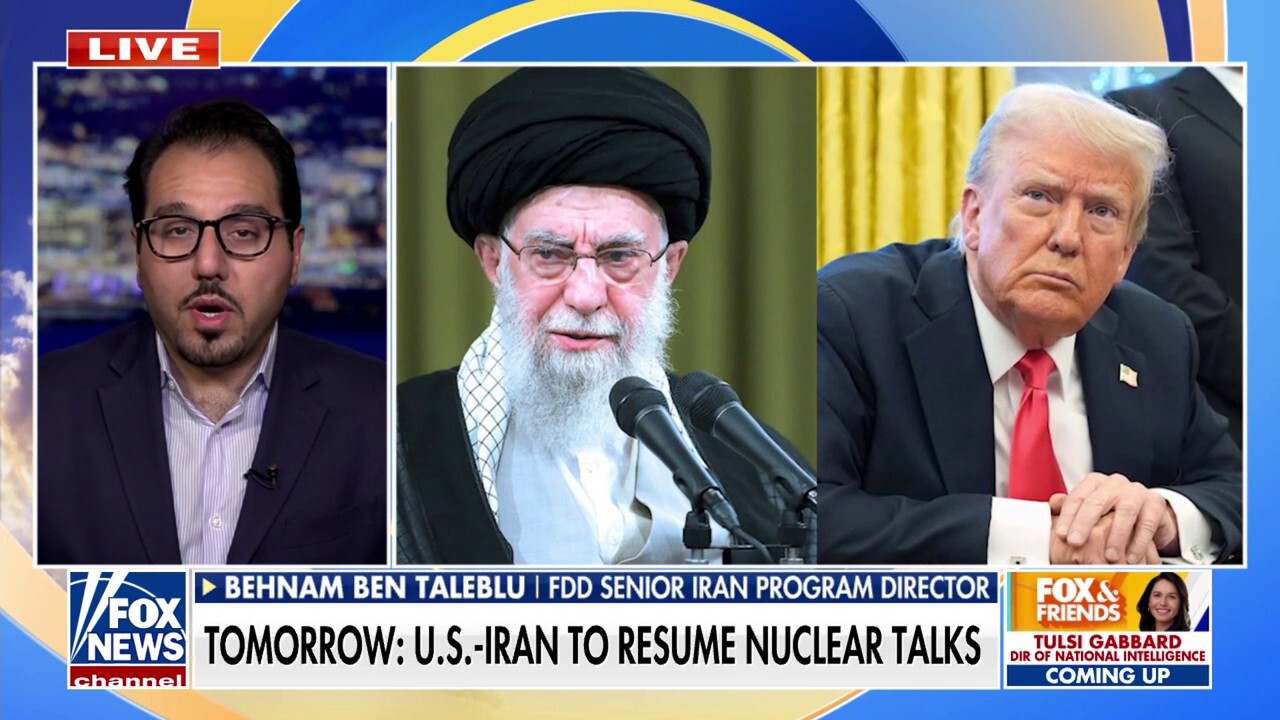
Iran is moving fast—and quietly—across multiple diplomatic fronts, from Baghdad to Muscat, from Ankara to Beijing. At the same time, former President Donald Trump continues to assert that the U.S. holds all the cards in any potential negotiation. This collision of strategies—one emphasizing backchannel outreach, the other projecting unilateral strength—reveals a fractured yet calculated game of influence that extends far beyond mere rhetoric.
While Trump is no longer in office, his persistent messaging shapes the Republican stance on Iran and influences ongoing debates about containment, deterrence, and diplomatic engagement. Meanwhile, Tehran, facing economic strain and regional isolation, is betting on multipolar outreach to break its strategic encirclement.
The result? A complex chessboard where public bravado often masks behind-the-scenes maneuvering.
Why Iran Is Going Diplomatic—Now
Sanctions have hit hard. Inflation hovers near 40%. The rial continues to lose value. Public unrest flared in 2022 and 2023 over economic mismanagement and political repression. Domestically, the regime is under pressure. Internationally, it’s surrounded by adversaries or cautious allies.
So Iran is responding with what it knows best: asymmetric diplomacy.
Over the past 18 months, Iran has reengaged with Gulf states it once antagonized. The Saudi-Iran rapprochement, brokered by China in 2023, wasn’t just symbolic—it reopened embassies and began restoring trade talks. Oman remains a trusted mediator. Iraq's government, while officially neutral, hosts frequent Iranian envoys. Even Syria, once a pariah, is being reinserted into Arab League circles—with Iranian quiet support.
But it’s not just about immediate neighbors.
Tehran has deepened ties with Russia, especially in military and energy cooperation, despite discomfort over drone use in Ukraine. With China, it signed a 25-year strategic partnership, gaining investment promises in exchange for oil and infrastructure access. It’s also rebuilding diplomatic channels with European powers, even as nuclear talks stall.
Real Goals Behind the Diplomatic Flurry
Iran isn't seeking friendship. It's seeking breathing room.
- Sanctions relief: The primary target. By normalizing regional relations, Tehran hopes to weaken the U.S.-led coalition enforcing economic isolation.
- Deterrence through alliances: Closer ties with Moscow and Beijing signal that attacking Iran comes with global consequences.
- Legitimacy restoration: After years of vilification, Iran wants to re-enter the fold of “normal” state actors—especially in the Global South.
- Divide the West: By engaging European capitals directly, Iran hopes to drive wedges between Washington and its allies over how to handle the nuclear file.
Each meeting, joint statement, or trade agreement is a small crack in the containment wall.
Trump’s “We Hold the Cards” Mentality—And Its Limits
Donald Trump still speaks as if he’s defining U.S. Iran policy. In speeches, interviews, and social media, he reiterates that his “maximum pressure” campaign worked—that sanctions crippled Iran and that any deal must start from a position of American strength.
“We had them on their knees. Biden gave them hope. I’ll take it all back.”

That narrative is powerful, but oversimplified.
Yes, Trump’s withdrawal from the JCPOA in 2018 and the re-imposition of sanctions slashed Iran’s oil exports from 2.5 million barrels per day to under 300,000. Yes, the IRGC was designated a foreign terrorist organization. Yes, top general Qasem Soleimani was killed in 2020.
But the “cards” metaphor fails to account for consequences.
- Iran responded by escalating regionally—attacking Saudi oil facilities, seizing tankers, and arming proxies across Yemen, Lebanon, and Iraq.
- Nuclear progress accelerated—Iran now enriches uranium to 60%, close to weapons-grade, and has enough material for several bombs if further enriched.
- Alliances shifted—China and Russia filled the vacuum left by Western disengagement, giving Iran geopolitical cover.
Trump’s claim presumes that economic pain automatically translates to political surrender. It doesn’t. Authoritarian regimes often survive crisis by tightening internal control and external alliances.
The Miscalculation of Unilateral Leverage
Maximum pressure assumed Iran would collapse or capitulate. Instead, it adapted.
Real-world examples show the limits of U.S. leverage:
- In 2022, the U.S. offered indirect talks in Doha. Iran agreed—but only after securing a list of preconditions, including sanctions relief and a U.S. non-aggression pledge.
- In 2023, despite U.S. objections, China brokered the Saudi-Iran deal—demonstrating Washington’s waning influence in its traditional sphere.
- When the U.S. intercepted an Iranian oil shipment bound for Venezuela, Iran retaliated by seizing a Greek tanker. The standoff ended with mutual releases—no side won outright.
These aren’t signs of a regime on its knees. They’re signs of a state playing a longer, more patient game.
Moreover, Trump’s insistence that “the U.S. has the cards” ignores a key reality: diplomacy isn’t poker. You can’t bluff your way to a nuclear agreement. Mutual concessions matter. Trust, however minimal, must be established.
And right now, trust is in short supply on both sides.
Behind the Scenes: Where Diplomacy Actually Happens
Public summits make headlines. But real movement happens in backrooms.
Consider these quiet channels:
- Oman: Hosts regular U.S.-Iran prisoner swap negotiations. Muscat isn't a powerbroker, but it’s neutral, discreet, and effective.
- Qatar: Doha has emerged as a preferred venue for indirect U.S.-Iran talks, especially after the Taliban takeover in Afghanistan boosted its mediator status.
- Iraq: Despite sectarian tensions, Baghdad remains a venue for deconfliction talks between U.S. and Iranian military officials—to prevent accidental clashes.
- Vienna: Nuclear negotiations continue intermittently at the IAEA headquarters, though progress is glacial.
These venues operate on a principle: plausible deniability. No leader wants to be seen “capitulating” to the enemy. So meetings are framed as “technical discussions” or “regional security consultations.”
Still, they keep the door open.
The Role of Proxies—And Why They Complicate Everything
Iran doesn’t fight directly. It fights through others.
Its network of proxies—Hezbollah in Lebanon, Houthis in Yemen, various Shiite militias in Iraq—gives it regional reach without exposing its own military.
This creates a major obstacle to diplomacy:

- When the U.S. demands Iran cease support for proxies, Tehran calls it interference in sovereign alliances.
- When Houthi attacks disrupt Red Sea shipping, the U.S. responds with airstrikes—but Iran denies direct control.
- When Hezbollah fires on Israel, Tehran offers rhetorical support but avoids claiming operational involvement.
The result? A constant state of plausible escalation.
For Trump—and any U.S. leader—this is frustrating. You can’t sanction a militia group into compliance. You can’t bomb your way to a negotiating table. Yet, every regional flare-up makes diplomacy harder.
The Houthis’ Red Sea campaign in 2023–2024, allegedly backed by Iran, triggered U.S. and UK airstrikes. Iran condemned the strikes but praised the “resistance.” This doublespeak is deliberate: it maintains deniability while signaling resolve.
Economic Reality vs. Political Posture
Sanctions have hurt. But they haven’t changed Iran’s behavior fundamentally.
Here’s what the data shows:
| Indicator | Pre-2018 (JCPOA) | Post-2018 (Maximum Pressure) |
|---|---|---|
| Oil Exports | ~2.5 million bpd | ~300,000 bpd (estimated) |
| GDP Growth | +4.3% (2016) | -6.5% (2019), unstable since |
| Inflation Rate | ~10% | ~40%+ (2023) |
| U.S. Sanctions | Limited | Over 1,500 entities/individuals targeted |
Yet, Iran still exports oil—through shadow fleets, barter deals, and third countries like China and Venezuela. It still funds its military and proxies. It still enriches uranium.
Meanwhile, the cost of sanctions falls mostly on ordinary Iranians, fueling resentment—not regime change.
This is the central flaw in the “we have the cards” argument: sanctions are a blunt instrument. They hurt, but they don’t guarantee control.
What a Real Strategy Might Look Like
A sustainable approach would combine pressure with precision.
- Targeted sanctions on human rights abusers and proliferation networks—not blanket measures that punish civilians.
- Engagement with regional actors—not just Saudi Arabia, but also India, Turkey, and ASEAN states—to build broader coalitions.
- Revive nuclear talks with clear, phased steps—sanctions relief for verifiable rollbacks, monitored by the IAEA.
- Address proxy activities through backchannel deterrence—not just airstrikes, but diplomatic warnings tied to specific actions.
- Support civil society—without provoking nationalist backlash—through digital access and humanitarian aid.
Trump’s “all cards” rhetoric appeals to a base that values strength over nuance. But strength without strategy is noise.
The Path Forward: Realism Over Rhetoric
Iran’s diplomatic flurry isn’t a sign of weakness. It’s a sign of adaptation. It’s playing the long game—outlasting pressure, dividing enemies, and rebuilding influence piece by piece.
Trump’s insistence that the U.S. holds all the leverage reflects a worldview stuck in 2018. The world has moved on. China brokers deals. Russia arms Iran. Europe wants stability, not regime change.
The next U.S. administration—whether Republican or Democrat—will need to confront this reality: you can’t dictate terms without partners.
Diplomacy with Iran won’t be about who has the cards. It will be about who can play them wisely.
Act now: Support policies that combine firm deterrence with open channels—not empty threats or naive appeasement. The stakes are too high for either.
Frequently Asked Questions
Why is Iran engaging in diplomacy now? Iran faces severe economic strain from sanctions and needs to ease isolation. Diplomacy helps it gain breathing room, rebuild alliances, and counter U.S. pressure.
Did Trump’s maximum pressure policy work? It inflicted economic damage but failed to change Iran’s nuclear or regional behavior. Iran advanced its program and deepened ties with China and Russia.
Can the U.S. force Iran to negotiate? Not through pressure alone. Iran responds to a mix of incentives and deterrence. Past talks show progress only when both sides make concessions.
What role do proxy groups play in U.S.-Iran tensions? Groups like Hezbollah and the Houthis act as force multipliers for Iran. They complicate diplomacy because the U.S. demands Iran cut ties, which Tehran refuses.
Is another nuclear deal possible? Possible, but difficult. Mutual distrust is high. Any deal would require phased sanctions relief and strict verification, likely through indirect talks.
How has China influenced Iran-U.S. dynamics? China brokered the Saudi-Iran détente, expanded energy ties with Iran, and offers an alternative to U.S.-dominated global systems, reducing U.S. leverage.
What can the average person understand about this conflict? It’s not just about nuclear weapons. It’s about regional power, economic survival, and competing visions of global order—one led by the U.S., another emerging with China and Russia.
FAQ
What should you look for in Iran’s Diplomatic Push Amid Trump’s Assertive Stance? Focus on relevance, practical value, and how well the solution matches real user intent.
Is Iran’s Diplomatic Push Amid Trump’s Assertive Stance suitable for beginners? That depends on the workflow, but a clear step-by-step approach usually makes it easier to start.
How do you compare options around Iran’s Diplomatic Push Amid Trump’s Assertive Stance? Compare features, trust signals, limitations, pricing, and ease of implementation.
What mistakes should you avoid? Avoid generic choices, weak validation, and decisions based only on marketing claims.
What is the next best step? Shortlist the most relevant options, validate them quickly, and refine from real-world results.