Iran isn’t waiting for permission. While Washington insists it holds all the cards, Tehran is reshaping its diplomatic playbook—engaging regional rivals, courting global powers, and testing the limits of American leverage. The result? A volatile recalibration of power dynamics across the Middle East and beyond.
This isn’t just diplomacy for show. Iran’s flurry of high-level visits, unexpected overtures, and strategic partnerships signals a deliberate effort to break isolation, counter sanctions, and reposition itself as an indispensable regional player. Meanwhile, former President Donald Trump’s recurring assertion that “the U.S. has the cards” reveals a fundamental miscalculation: influence isn’t just about pressure—it’s about agility, alliances, and perception.
The real game isn’t being played solely in Washington or Tehran. It’s unfolding in Baghdad, Muscat, Beijing, and Moscow, where quiet negotiations are rewriting the rules of engagement.
The Scope of Iran’s Diplomatic Offensive
Iran’s recent diplomatic moves aren’t isolated. They form a coordinated campaign to exploit geopolitical fissures and diversify its foreign policy options.
- China-backed 25-year cooperation deal: Signed in 2021 but gaining momentum, this agreement grants China long-term access to Iranian energy and infrastructure in exchange for economic investment. It’s a direct hedge against U.S. sanctions.
- Rapprochement with Saudi Arabia: Mediated by China in 2023, the restoration of ties between Tehran and Riyadh shocked analysts. It ended a proxy cold war and opened channels for de-escalation across Yemen, Syria, and Lebanon.
- Engagement with Central Asia: Iranian leaders have intensified meetings with Kazakhstan, Turkmenistan, and Uzbekistan—focusing on trade, energy corridors, and reducing dependence on Western-aligned routes.
- Dialogue with the EU and France: Despite stalled nuclear talks, Iran has kept diplomatic lines open with European powers, leveraging their interest in regional stability and climate cooperation.
These efforts reflect a broader strategy: survival through connectivity. By embedding itself in regional and global networks, Iran aims to make its isolation economically and politically unsustainable for adversaries.
“Iran isn’t trying to win friends. It’s trying to make itself too useful to punish.” — Middle East analyst, speaking on background
Trump’s “We Have the Cards” Doctrine—And Its Flaws
Trump’s foreign policy approach toward Iran centered on “maximum pressure”—a campaign of sweeping sanctions, military threats, and diplomatic isolation. His frequent refrain, “we have the cards,” assumed that economic suffocation would force Iran to capitulate.
The logic seemed sound: cripple oil exports, freeze financial access, and wait for internal unrest to force regime change or negotiation on U.S. terms.
But reality diverged.
Sanctions didn’t collapse the Iranian economy—they transformed it. A shadow trade network emerged, fueled by: - Oil shipments rerouted through clandestine tanker swaps - Barter deals with China and Venezuela - Digital currency use to bypass SWIFT restrictions - Expanded regional smuggling via Iraq and Oman
Meanwhile, maximum pressure alienated U.S. allies. European nations criticized the unilateral withdrawal from the JCPOA (Iran nuclear deal) in 2018 and resisted full alignment with U.S. sanctions. The policy also strengthened hardliners in Tehran, who used external threats to justify internal crackdowns.
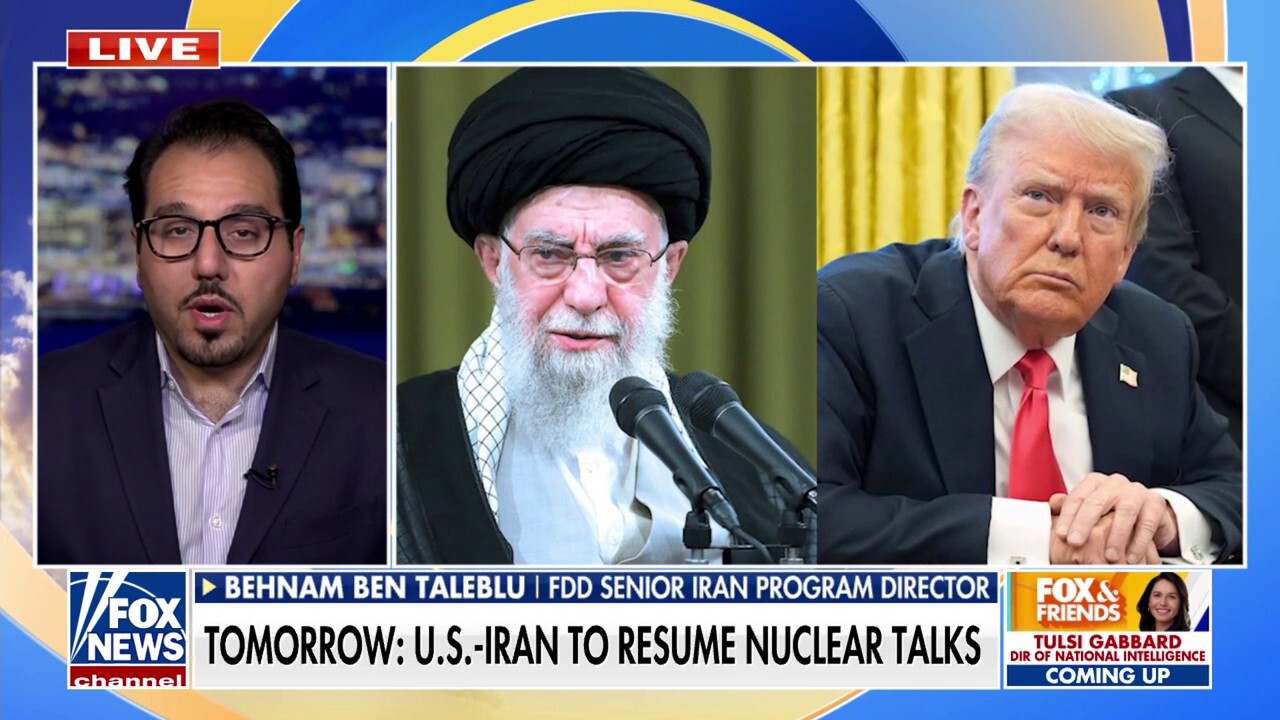
Worse, Trump’s posture offered no off-ramp. There was no clear path to sanctions relief, no defined negotiation framework—just escalating pressure with diminishing returns.
Why Diplomacy Outmaneuvers Pressure Alone
Iran’s diplomatic momentum exposes a key limitation of Trump’s strategy: coercion without diplomacy creates openings, not surrender.
Consider the case of Oman. Long a neutral broker, Muscat hosted backchannel talks between the U.S. and Iran during both Obama and Trump administrations. Yet under Trump, those channels dried up—while Iran deepened ties with Oman, securing port access and intelligence-sharing.
Similarly, when the U.S. excluded Iran from regional security talks, Tehran responded by negotiating defense understandings with Russia and expanding drone exports to non-state actors in Syria and Yemen.
Diplomacy isn’t weakness—it’s risk management. While the U.S. relied on sticks, Iran wielded both sticks and carrots: - Offering ceasefire coordination in Yemen - Guaranteeing oil transit security in the Gulf - Positioning itself as a counterweight to Sunni extremism
This two-track approach allowed Iran to appear as a stabilizer—even while advancing its own interests.
Regional Realignments: Who’s Gaining Ground?
The Middle East is no longer a simple U.S.-vs-Iran battleground. New alignments are emerging—many of which bypass American influence altogether.
| Country | Shift in Relations with Iran | Key Driver |
|---|---|---|
| Saudi Arabia | Restored diplomatic ties | Desire to end costly proxy conflicts |
| Iraq | Deepening economic ties | Iranian electricity, gas, and trade |
| Syria | Military coordination | Survival of Assad regime |
| UAE | Quiet re-engagement | Trade, investment, de-escalation |
| Turkey | Strategic competition & cooperation | Balancing NATO ties with regional ambitions |
Notably, several U.S. allies are now hedging. The UAE, while maintaining defense ties with Washington, reopened its embassy in Damascus and increased trade with Iran. Bahrain, a host to the U.S. Navy’s 5th Fleet, has entertained backchannel talks.
This isn’t betrayal—it’s realpolitik. Regional actors prioritize stability over ideological alignment. And many see engagement with Iran as the only viable path to reduce conflict.
The Nuclear Question: Stalled But Not Dead
At the heart of the standoff remains the JCPOA. Despite multiple rounds of indirect talks in Vienna, no breakthrough has occurred.
Iran has enriched uranium up to 60%—a short step from weapons-grade. The IAEA has reported undeclared nuclear material at several sites. Meanwhile, the U.S. insists on “guarantees” beyond the original deal, including limits on ballistic missiles and regional activities.
But here’s the paradox: the harder the U.S. pushes for more, the less likely Iran is to return.
Iran sees the nuclear program as a strategic asset—not just for deterrence, but as leverage. By advancing capabilities incrementally, it gains bargaining power without triggering military action.
Trump’s insistence that “the U.S. has the cards” ignores this reality. When one side holds all the demands but none of the trust, negotiations stall.
A more effective approach might involve phased relief: limited sanctions easing in exchange for verifiable rollback of enrichment. But that requires diplomacy Trump’s model explicitly rejected.
China and Russia: Iran’s New Power Brokers
While the U.S. relies on pressure, China and Russia offer Iran alternatives.
China: - Signed a long-term oil import agreement - Invested in Iranian infrastructure (ports, railways) - Provided diplomatic cover at the UN - Positioned itself as a neutral mediator (e.g., Saudi-Iran deal)
Russia: - Acquired Iranian drones for use in Ukraine - Collaborated on military tech development - Coordinated in Syria and the Caspian Sea - Shared intelligence and satellite data
For Iran, this isn’t about ideology—it’s about options. By aligning with powers that oppose U.S. dominance, Iran reduces its vulnerability to American pressure.
And for Beijing and Moscow, Iran is a tool to challenge U.S. influence, disrupt energy markets, and expand their own reach.
The Risk of Miscalculation
The current trajectory is unstable. Iran’s diplomatic gains don’t erase internal weaknesses—economic stagnation, youth unrest, and technological lag. But they do buy time.
Meanwhile, Trump’s rhetoric risks encouraging overconfidence. Believing the U.S. “has the cards” could lead to: - Dismissing diplomatic openings - Escalating military posturing - Underestimating Iran’s resilience
History offers cautionary tales. The 2020 killing of Qasem Soleimani was meant to decapitate Iranian influence. Instead, it triggered ballistic missile strikes on U.S. bases and nearly sparked war.
Diplomacy, even with adversaries, reduces such risks. It creates channels, builds predictability, and allows for off-ramps.
What a Sustainable Strategy Looks Like
The U.S. isn’t without leverage. But wielding it effectively requires a shift—from a one-dimensional pressure campaign to a layered strategy that combines: - Targeted sanctions on human rights abusers and weapons proliferators - Alliance coordination to close sanction loopholes - Backchannel diplomacy to explore mutual de-escalation - Regional security dialogues that include indirect Iranian participation
- Practical steps:
- Re-engage IAEA cooperation to restore monitoring access
- Support Gulf-led security frameworks that reduce U.S. exposure
- Use third-party mediators (Oman, Qatar, Switzerland) for direct talks
- Separate nuclear talks from regional issues—address them in parallel, not as preconditions
This isn’t appeasement. It’s recognizing that influence must be earned, not assumed.
The Bottom Line
Iran’s diplomatic flurry isn’t a sign of weakness—it’s a sign of adaptation. While Trump’s “we have the cards” mantra appeals to a vision of unilateral dominance, it underestimates the power of persistence, partnerships, and perception.
The U.S. still holds significant leverage, but cards only matter if you know how to play them. In a multipolar world, diplomacy isn’t secondary to power—it’s how power is sustained.
For policymakers, the choice isn’t between pressure and engagement. It’s between strategic clarity and self-deception.
Act now: Reopen backchannels. Coordinate with allies. Treat diplomacy as a core tool—not a last resort.
FAQ
Why is Iran increasing diplomacy now? Iran is responding to prolonged sanctions and regional isolation by building alliances, securing economic lifelines, and reducing reliance on any single power.
Did Trump’s maximum pressure policy work? It inflicted economic pain but failed to change Iran’s behavior or force major concessions. It also pushed Iran closer to China and Russia.
Can Iran be trusted in diplomatic talks? Trust is low on all sides. However, even adversarial talks can produce verifiable outcomes—like temporary de-escalations or prisoner swaps.
Is the nuclear deal dead? Not officially, but it’s in deep freeze. Reviving it would require mutual concessions neither side currently seems willing to make.
How is China benefiting from ties with Iran? China gains energy security, regional influence, and a strategic counterweight to U.S. power—all with minimal military risk.
What role does Russia play in Iran’s strategy? Russia provides military cooperation, diplomatic support, and a market for Iranian drones, deepening a strategic alignment against the West.
Could another conflict erupt in the Gulf? Tensions remain high. Any misstep—like a drone strike or tanker seizure—could escalate quickly without active diplomacy.
FAQ
What should you look for in Iran’s Diplomatic Surge Meets Trump’s Tough Posture? Focus on relevance, practical value, and how well the solution matches real user intent.
Is Iran’s Diplomatic Surge Meets Trump’s Tough Posture suitable for beginners? That depends on the workflow, but a clear step-by-step approach usually makes it easier to start.
How do you compare options around Iran’s Diplomatic Surge Meets Trump’s Tough Posture? Compare features, trust signals, limitations, pricing, and ease of implementation.
What mistakes should you avoid? Avoid generic choices, weak validation, and decisions based only on marketing claims.
What is the next best step? Shortlist the most relevant options, validate them quickly, and refine from real-world results.