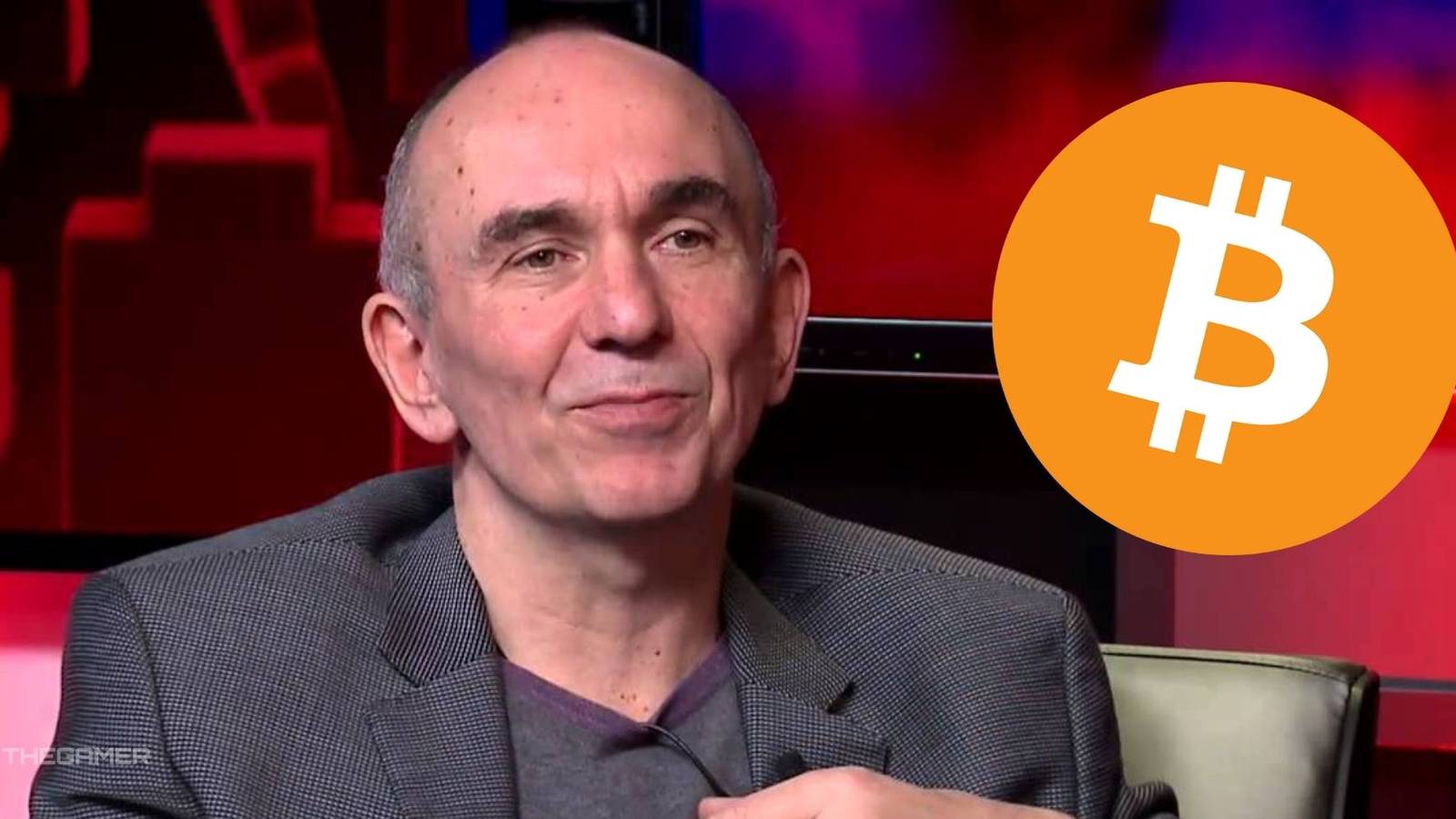
Peter Molyneux is a name that commands respect—and controversy. A pioneer of god games, the creator of Populous, Black & White, and Fable built a reputation on visionary design and poetic ambition. But behind the brilliance lies a trail of unmet promises, abandoned mechanics, and financial wreckage. When Molyneux’s vision outpaced execution, it wasn’t just critics who felt the sting—investors, developers, and fans lost real money, time, and trust.
This isn’t about forgotten bugs or minor delays. This is about a legacy where hype became liability, and the people caught in the blast radius paid the price.
The Rise of a Visionary—and the Seeds of Distrust
Long before crowdfunding and viral trailers, Peter Molyneux sold dreams. His pitch for Black & White wasn’t just about a creature simulator—it was about morality shaping worlds. Fable wasn’t an RPG; it was a living society reacting to every choice. These weren’t mere marketing spins—they were declarations of intent, delivered with unshakable conviction.
But early signs of overpromise emerged with Fable. The game launched to critical acclaim, but players noticed what was missing: villages that didn’t grow based on reputation, NPCs that didn’t remember your deeds years later, or dynamic economies. Features once showcased in interviews evaporated by release.
“I still believe,” Molyneux said in a 2012 interview, “that I’ve let people down more than anyone in the games industry.” That honesty came too late for those who bet on his word.
The Godus Debacle: When Crowdfunding Turned Sour
No project embodies Molyneux’s fall from grace like Godus. Launched on Kickstarter in 2012 under his new studio, 22cans, Godus raised over £500,000—more than five times its initial goal. Backers weren’t just buying a game; they were buying into a revolution. The pitch? A spiritual successor to Populous, with procedural worlds stretching infinitely, a persistent deity presence, and player-driven evolution.
What backers received was nothing short of betrayal.
Promises vs. Reality: The Godus Timeline
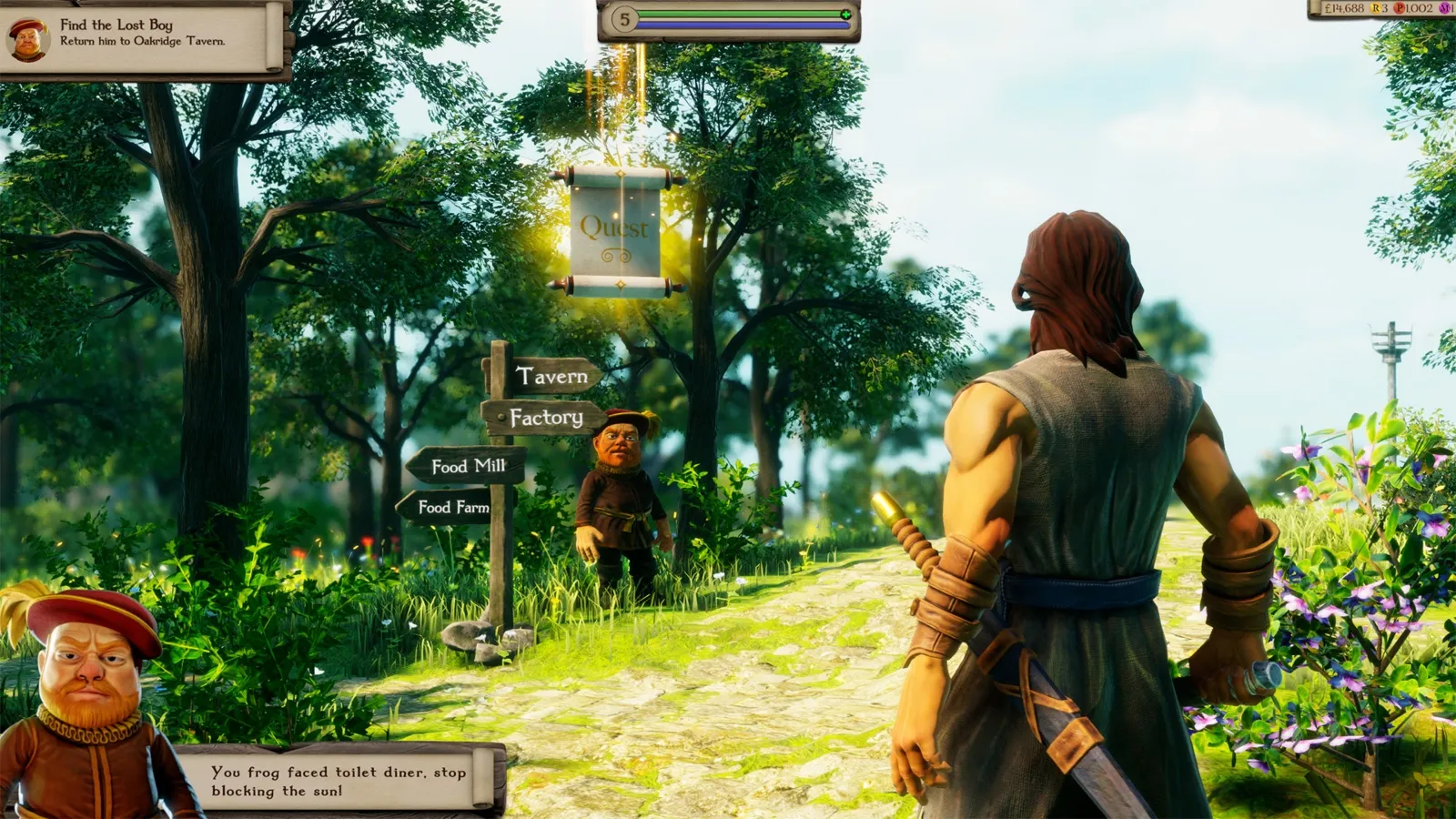
| Feature Promised (2012-2013) | What Actually Delivered |
|---|---|
| Infinite procedurally generated worlds | Small, static maps with no expansion |
| Multiplayer god battles | Never implemented |
| Persistent world with player legacy | Reset after each session |
| Deep civilization simulation | Minimal city mechanics, no AI depth |
| VR integration (stretch goal) | Briefly tested, quickly abandoned |
The game launched in early access in 2013 with a bare-bones interface, clunky touch controls, and no resemblance to the vision. Updates arrived years apart. By 2017, 22cans quietly removed the multiplayer and world evolution features from the roadmap. In 2020, the studio stopped all updates.
For backers who pledged £50 or more, the return on investment was zero. No refunds. No closure. Just silence.
Investors Who Bet on the Myth
Molyneux didn’t just disappoint fans—he misled investors. Godus wasn’t funded solely by Kickstarter. In 2014, 22cans secured a significant investment from the Chinese tech giant Netease, reportedly in the seven-figure range. The goal? Scale Godus into a global phenomenon and build a platform for player-driven worlds.
But the game never left early access. Active users dwindled. No sequel emerged. Netease pivoted, focusing on mobile and Chinese markets. The investment evaporated into server costs and underpaid dev cycles.
Another backer, a European venture fund that wished to remain anonymous, told Edge in 2016: “We believed in Peter’s ability to inspire. But inspiration doesn’t ship code. We lost six figures believing vision equaled viability.”
Developers Who Burned Out Chasing a Mirage
Behind every failed game are teams who believed. At Lionhead Studios, developers worked overtime to meet Molyneux’s evolving vision—only to watch features cut months before launch. With Fable: The Journey, a Kinect-only title rushed to market, morale collapsed. The studio, once a crown jewel of Microsoft, was shuttered in 2016.
At 22cans, similar patterns repeated. Former employees describe a culture of perpetual prototyping, where no feature was ever “final.” One developer, speaking anonymously, said: “We’d spend months building a procedural generation system, only for Peter to say, ‘What if instead, the world remembers every player who ever touched it?’ Then we’d start over.”
The human cost was real. Burnout. Resignations. Lost careers.
Fans Who Preordered, Waited, and Gave Up
/cdn.vox-cdn.com/uploads/chorus_image/image/70269281/112379621.0.jpg)
Crowdfunding in gaming relies on trust. Godus didn’t just fail to deliver—it mocked its backers. In 2015, Molyneux introduced “Godus Wars,” a PvP expansion, as a surprise add-on. For an extra £15, players could “finally experience true god vs. god combat.” The mode launched in 2016—unfinished, unbalanced, and abandoned six months later.
One backer, a long-time Populous fan from Sweden, wrote on the Kickstarter page: “I pledged because I believed in innovation. I got a mobile idle game with a £50 price tag.”
Many reported that customer support ignored emails. The forums, once vibrant, became graveyards of unanswered complaints.
The Ripple Effect on Game Development
Molyneux’s legacy didn’t just hurt individuals—it damaged industry trust in visionary pitches. After Godus, platforms like Kickstarter saw tighter project vetting. Publishers grew wary of “vision-first” developers. The era of selling dreams without prototypes began to close.
Compare Godus to Star Citizen, another high-profile crowdfunded project. While Star Citizen has faced delays, it maintains transparency with regular development logs and feature rollouts. Molyneux offered none. No roadmap. No public builds. Just cryptic blog posts and disappearing promises.
The lesson? Vision without accountability is not ambition—it’s exploitation.
Where Are They Now?
- Peter Molyneux remains active, teasing new projects, though none have gained traction. He occasionally speaks about failure, calling it a “necessary part” of innovation.
- 22cans still exists but has no active public projects. Its website redirects to a holding page.
- Netease moved on, investing in proven studios like Ori developer Moon Studios.
- Lionhead alumni now populate indie studios and AAA teams, often citing their time under Molyneux as a cautionary tale.
- Backers of Godus received no refunds. Some have organized small communities to preserve the game’s beta relics.
The Cost of Believing Too Much
The players who lost money on Peter Molyneux’s failed legacy weren’t naive. They were passionate. They believed in innovation, in risk, in creators who dared to dream. But Molyneux’s inability to separate vision from viability turned believers into casualties.
This isn’t a call to cancel a legend. It’s a reminder: in game development, words must be matched by delivery. Hype without follow-through isn’t marketing—it’s a debt to the people who trusted you.
For investors, the lesson is clear: vet the team, not just the pitch. For developers, protect your well-being—don’t chase an unachievable vision. For fans, support creators transparently, and demand accountability.
And for visionaries? Deliver. Or don’t promise at all.
FAQ
What should you look for in Meet the Players Who Lost Big on Peter Molyneux’s Broken Promises? Focus on relevance, practical value, and how well the solution matches real user intent.
Is Meet the Players Who Lost Big on Peter Molyneux’s Broken Promises suitable for beginners? That depends on the workflow, but a clear step-by-step approach usually makes it easier to start.
How do you compare options around Meet the Players Who Lost Big on Peter Molyneux’s Broken Promises? Compare features, trust signals, limitations, pricing, and ease of implementation.
What mistakes should you avoid? Avoid generic choices, weak validation, and decisions based only on marketing claims.
What is the next best step? Shortlist the most relevant options, validate them quickly, and refine from real-world results.