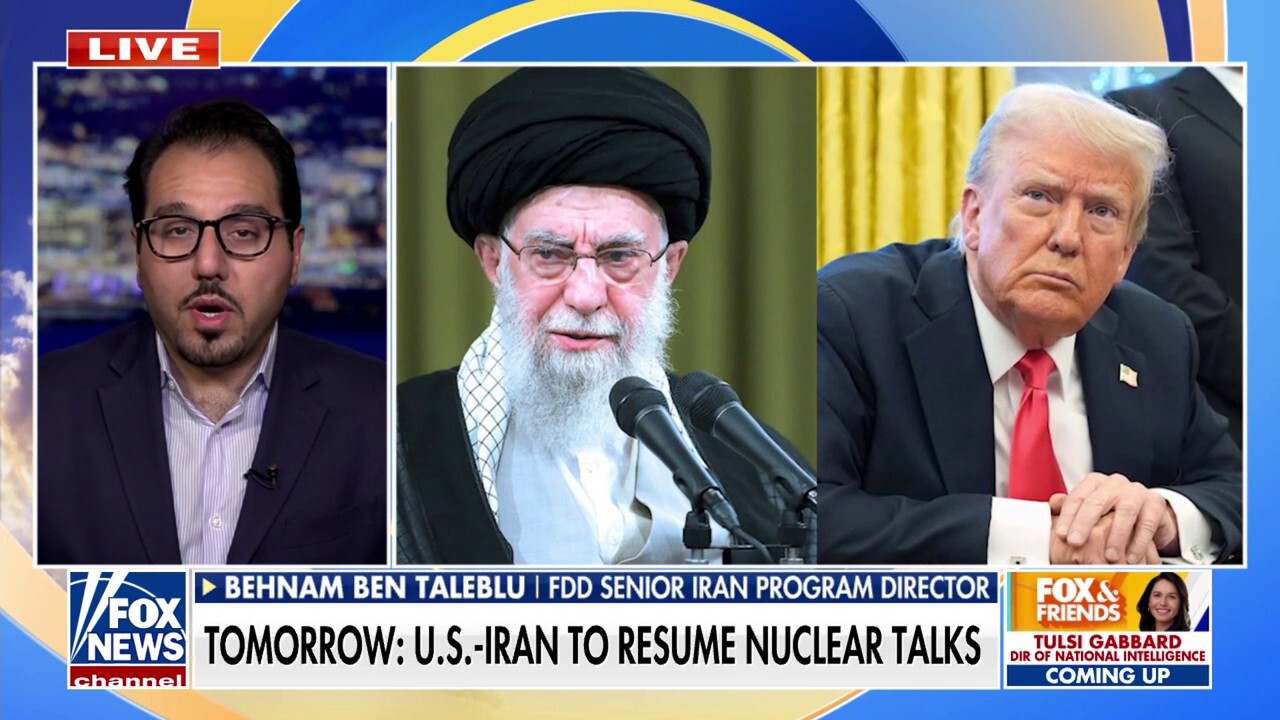
The Persian Gulf is once again at the center of global diplomatic tension. Iran has extended a conditional offer to the United States: de-escalate military posturing, ensure the reopening of critical maritime passages—particularly the Strait of Hormuz—and in return, postpone immediate nuclear talks. This calculated move is not merely tactical; it reflects deeper strategic recalibrations in Tehran’s foreign policy amid mounting economic pressure and regional isolation.
The offer, delivered through backchannel diplomatic contacts and reinforced with public statements from Iranian officials, hinges on mutual restraint. Iran signals willingness to reduce naval provocations and guarantee safe passage for commercial vessels if the U.S. halts sanctions enforcement operations and scales back its naval presence near the strait. In exchange, formal nuclear negotiations—long stalled over enrichment levels, verification access, and sanctions relief—would be delayed by several months.
This proposal is not a peace overture. It's a maneuver rooted in realpolitik.
Why the Strait of Hormuz Matters Now
The Strait of Hormuz is one of the world’s most critical energy chokepoints. Over 20% of global oil passes through this 21-mile-wide waterway daily. Any disruption sends shockwaves through energy markets. In recent weeks, Iranian naval forces have shadowed U.S. vessels, detained foreign tankers under dubious legal pretexts, and conducted live-fire drills near commercial shipping lanes. The U.S. Fifth Fleet, based in Bahrain, has responded with increased patrols and warnings to maritime operators.
Iran’s implicit threat has always been closure—total or partial—of the strait. While a full blockade would be suicidal economically and militarily, incremental harassment achieves the same goal: leverage.
By offering to reopen the strait—implying it was never fully closed but functionally restricted—Iran reframes the crisis. It positions itself not as an aggressor but as a responsible actor willing to stabilize trade in exchange for concessions.
The Real Objective: Sanctions Relief Without Concessions
Iran’s underlying goal is clear: weaken the U.S. sanctions regime without making irreversible nuclear rollbacks. The proposed delay in nuclear talks serves this purpose. Tehran wants breathing room—time to advance its uranium enrichment program under the guise of “peaceful purposes” while easing the economic chokehold through de facto sanctions relaxation.
Consider the mechanics: if the U.S. accepts reduced Iranian naval activity in exchange for loosened maritime enforcement, Iran gains two advantages. First, oil exports—smuggled via ship-to-ship transfers and reflagging—flow more freely. Second, the perception of de-escalation could pressure European and Asian partners to resume trade, citing improved regional stability.
This is not hypothetical. In 2019, after similar brinkmanship, China and India increased Iranian crude imports under the radar, citing “energy security needs.” A repeat scenario is likely if tensions ease, even superficially.
U.S. Strategic Dilemma: Security vs. Diplomacy For Washington, the offer presents a bind. Accepting could normalize coercion as a diplomatic tool—rewarding brinkmanship. Refusing risks prolonged disruption, higher oil prices, and strained alliances with Gulf partners who depend on uninterrupted flow.
The Biden administration has so far responded cautiously, calling the proposal “insufficient” without “verifiable commitments.” But internal divisions persist. Defense officials prioritize maritime security and oppose any move that legitimizes Iranian leverage. Diplomats, however, see potential: a temporary stability window to restructure negotiations from a position of slightly improved trust.

A middle path is emerging: conditional engagement. The U.S. could agree to reduce naval presence in phases, tied to verified Iranian compliance with International Maritime Organization (IMO) shipping standards. Simultaneously, intelligence sharing with Arab Gulf states would continue, ensuring early warning of renewed harassment.
But this approach carries risks. Verification is difficult in contested waters. Iran could exploit gaps—conducting low-profile interceptions while publicly complying. Past incidents, like the 2021 seizure of the Asphalt Princess, show how quickly “compliance” unravels.
Regional Players React: Allies, Rivals, and Neutral States
The Gulf Cooperation Council (GCC) states are watching closely. Saudi Arabia and the UAE welcome U.S. pressure on Iran but fear being sidelined in any bilateral deal. Both have invested heavily in port security and alternative shipping routes, such as the UAE’s expansion of Fujairah, a port east of the strait that bypasses Hormuz.
Israel, meanwhile, opposes any pause in nuclear talks. Tehran’s ability to enrich uranium to 60%—a short step from weapons-grade—remains a red line. Israeli intelligence argues that even a temporary delay gives Iran time to covertly advance weaponization research under the cover of civilian programs.
Neutral actors like India and Japan are quietly supportive of any measure that stabilizes oil flows. India, which imports about 10% of its oil from Iran via third-party shipments, has urged “pragmatic dialogue.” Japan, a traditional mediator, has offered to host informal talks—though Tokyo lacks leverage to enforce outcomes.
China and Russia, however, see opportunity. Beijing has increased energy purchases from Iran and views U.S.-Iran de-escalation on Tehran’s terms as a win for multipolarity. Moscow, amid its own tensions with the West, supports any diplomatic outcome that fractures U.S. alliances.
Past Precedents: Lessons from 2015 and 2019
History offers cautionary tales. The 2015 Joint Comprehensive Plan of Action (JCPOA) succeeded in freezing Iran’s nuclear program but failed to address ballistic missiles or regional proxies. Once the U.S. withdrew in 2018, Iran resumed and expanded enrichment.
In 2019, a near-war scenario unfolded after tanker attacks in the Gulf. The U.S. blamed Iran; Tehran denied involvement. A temporary de-escalation followed, brokered by Japan, but without structural agreements, tensions flared again within months.
The current proposal risks repeating these cycles: temporary calm, followed by renewed crisis when underlying issues remain unresolved. What’s missing is a multilateral framework. Relying solely on U.S.-Iran bilateralism ignores the regional dimension of the conflict.
Practical Implications for Global Trade and Energy Markets
For shipping companies, the stakes are immediate. Insurance premiums for vessels transiting the Gulf have spiked over 300% during prior crises. Reinsurers like Lloyd’s of London demand real-time tracking and armed security details—costs passed to consumers.
Energy traders are hedging. Brent crude futures show increased volatility when naval incidents are reported. Refineries in Asia have diversified supply sources, but sudden supply shocks still impact margins.
A stable, verifiable reopening of the strait would calm markets. But without transparency—IMO-monitored navigation logs, independent incident reporting—the risk premium remains.
Best practice for logistics firms: diversify routing where possible, use IMO-compliant tracking, and maintain direct channels with naval coordination centers like UKMTO (UK Maritime Trade Organisation).
Why Postponing Nuclear Talks Is a Trap

Delaying nuclear negotiations plays into Iran’s long-term strategy. With each month that passes, Iran’s stockpile of enriched uranium grows. Centrifuge cascades are upgraded. Technical expertise deepens.
The IAEA has repeatedly reported restricted access to monitoring equipment. A pause in talks means no pressure to restore inspectors or answer questions about undeclared nuclear material.
Moreover, postponement weakens international consensus. European partners may lose patience. Sanctions enforcement could erode as member states prioritize energy and trade over nonproliferation.
There is no such thing as a neutral delay. In nuclear diplomacy, time favors the accelerator.
A Path Forward: Linking Maritime Security to Nuclear Transparency
The U.S. should reject an outright swap—security for silence. Instead, it should propose a phased, reciprocal roadmap:
- Immediate Step: Iran allows unfettered IMO access to verify free passage. In return, the U.S. pauses secondary sanctions on non-Western firms trading limited Iranian oil for humanitarian goods.
- Mid-Term Step: Restored IAEA monitoring in exchange for limited relief on shipping and banking restrictions.
- Long-Term Step: Comprehensive talks resume with a broader agenda—including regional security and missile development.
This approach avoids rewarding coercion while creating tangible incentives for compliance. It also brings in third parties: the EU, IAEA, and Gulf states, ensuring no single actor dominates the process.
Closing: Diplomacy Without Delusion
Iran’s offer to reopen the Strait of Hormuz in exchange for delayed nuclear talks is not peace. It is a test—one that probes U.S. resolve, alliance cohesion, and the credibility of global nonproliferation norms.
Responding requires more than tactical adjustments. It demands a strategy that links maritime security to nuclear accountability, uses multilateral leverage, and refuses to treat temporary calm as lasting progress.
The world doesn’t need another short-term fix. It needs a framework where stability is earned—not extorted.
Frequently Asked Questions
What did Iran offer the U.S. regarding the Strait of Hormuz? Iran proposed ensuring the reopening of the Strait of Hormuz and reducing naval tensions in exchange for the U.S. scaling back its military presence and postponing nuclear negotiations.
Why would Iran want to delay nuclear talks? Delaying talks gives Iran time to expand its uranium enrichment and technical capabilities without immediate pressure to negotiate concessions or allow full IAEA inspections.
Can Iran actually close the Strait of Hormuz? A full closure is unlikely due to swift military retaliation, but Iran can disrupt traffic through harassment, tanker seizures, and mine threats—enough to spike oil prices and create uncertainty.
How does this affect global oil prices? Any perceived threat to the strait typically increases oil volatility. Even rumors of closure can push Brent crude prices up by $5–10 per barrel due to risk premiums.
What role do other countries play in this situation? GCC states, Israel, and European allies prefer sustained pressure on Iran. China and Russia benefit from U.S.-Iran friction and may support de-escalation on Tehran’s terms.
Is the U.S. likely to accept Iran’s proposal? Unlikely in its current form. The U.S. opposes rewarding coercive tactics and insists on linking maritime security to verifiable nuclear compliance.
How can shipping companies protect against Gulf risks? Use IMO-compliant tracking, avoid high-risk zones when possible, maintain contact with UKMTO, and ensure war risk insurance covers hijack and detention scenarios.
FAQ
What should you look for in Iran Offers US Deal to Reopen Strait, Delay Nuclear Talks? Focus on relevance, practical value, and how well the solution matches real user intent.
Is Iran Offers US Deal to Reopen Strait, Delay Nuclear Talks suitable for beginners? That depends on the workflow, but a clear step-by-step approach usually makes it easier to start.
How do you compare options around Iran Offers US Deal to Reopen Strait, Delay Nuclear Talks? Compare features, trust signals, limitations, pricing, and ease of implementation.
What mistakes should you avoid? Avoid generic choices, weak validation, and decisions based only on marketing claims.
What is the next best step? Shortlist the most relevant options, validate them quickly, and refine from real-world results.