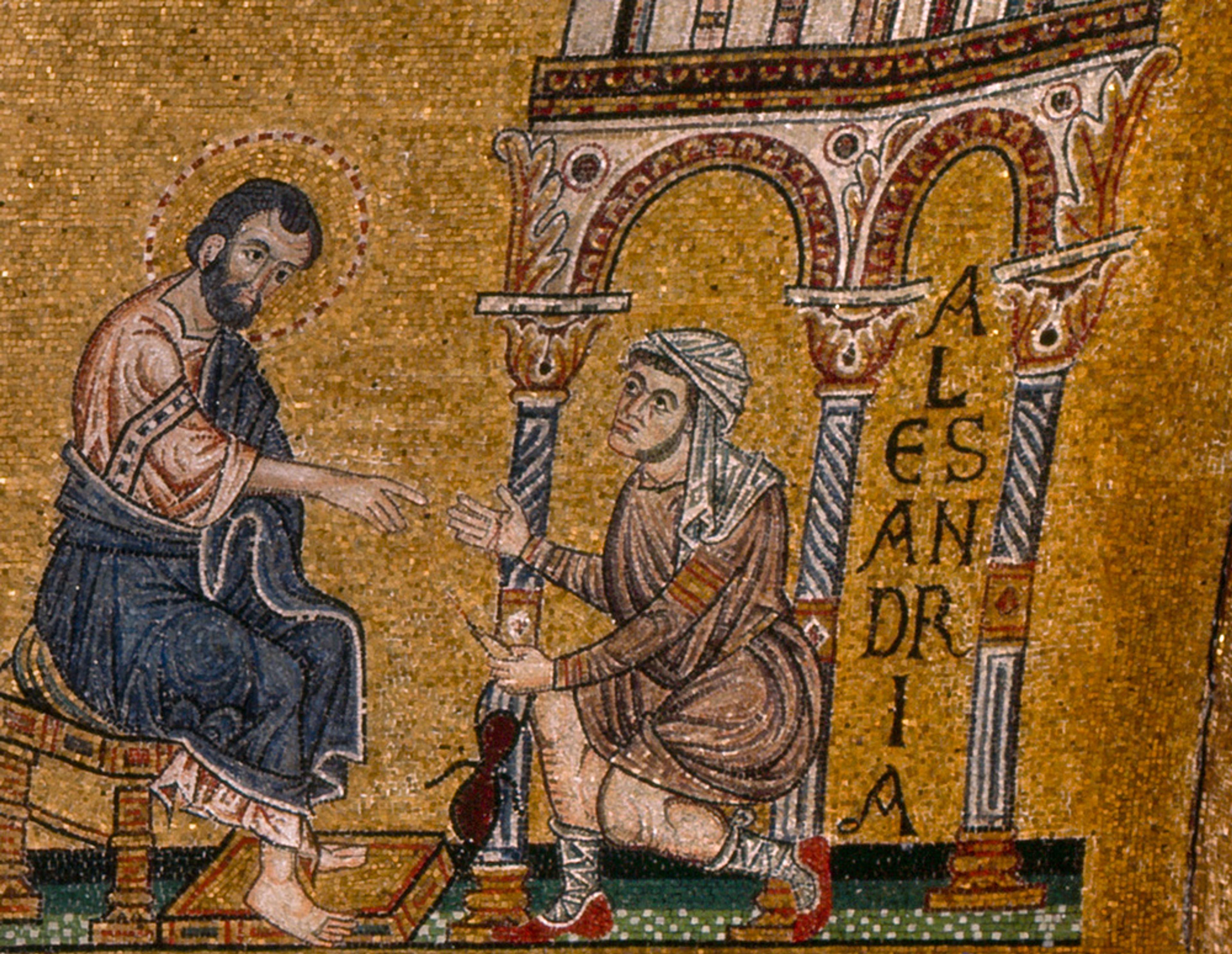
Long before the Renaissance exalted human anatomy for its beauty, medieval art reduced—and elevated—the body to something far more potent: a vessel of divine will and political authority. Flesh wasn't celebrated for its realism; it was distorted, stylized, exposed, or glorified to serve a higher message. Whether emaciated in martyrdom or adorned in royal vestments, the body in medieval art was never neutral. It was a battlefield of belief, a tool of control, and a canvas for cosmic drama.
This wasn’t art for art’s sake. It was doctrine made visible, power made tangible.
The Body as Divine Instrument
In medieval Christianity, the physical form was both a prison for the soul and a potential conduit for God’s presence. Artists didn’t aim to depict accurate musculature or proportions—they sought to reveal spiritual truths through the body’s condition.
Consider the crucifix. Early medieval crucifixes often show Christ alive, eyes open, body upright—Christus triumphans. This wasn’t about suffering; it was about victory. The body is rigid, serene, almost regal. It proclaims resurrection before death, reinforcing theology over realism.
By the later Middle Ages, this shifts. The Christus patiens emerges—Christ in agony, body contorted, blood dripping. This isn’t just emotional appeal; it’s a theological pivot. The suffering body becomes a site of atonement, inviting viewers to meditate on Christ’s pain as spiritual nourishment.
Such images weren’t passive. They shaped how people understood salvation. A peasant gazing at a bleeding crucifix wasn’t just observing—it was an act of participation. The body on display did theological work.
Example: The Gero Crucifix (c. 970) in Cologne Cathedral shocks with its realism—sunken eyes, swollen abdomen, visible ribs. It doesn’t just show suffering; it weaponizes the body to provoke empathy, guilt, and devotion.
Saints’ Bodies: Miracles, Martyrdom, and Control
Sainthood in the Middle Ages was certified not by moral reflection alone, but by the body’s endurance—or transformation.
Martyrdom scenes dominate cathedral tympana and manuscript margins. Saints are burned, beheaded, flayed—but their bodies remain serene. St. Lawrence is roasted on a gridiron, yet smiles. St. Agatha’s breasts are cut off, but she gazes toward heaven. These aren’t attempts at realism; they’re ideological statements: the soul triumphs over flesh.
But there’s politics here, too. The veneration of saints’ relics—bones, hair, fragments of clothing—turned bodily remains into instruments of ecclesiastical power. Churches competed to acquire relics, knowing that pilgrims would flock, bringing wealth and influence.
Realistic use case: The shrine of St. Thomas Becket at Canterbury Cathedral became one of the richest pilgrimage sites in Europe after his murder in 1170. His body—though buried—was effectively on display through narrative art: frescoes, stained glass, and miracle windows showing paralyzed men walking and blind men seeing after praying at his tomb.
The body, even in death, was a political asset. Kings sought burial in sacred ground; bishops hoarded relics. The physical form, sacred or royal, extended influence beyond the grave.
Royal Bodies: Divine Right and Visual Authority
Medieval rulers didn’t just claim power—they embodied it. Coronation imagery, coinage, and manuscript portraits all fused theology and governance through the body.
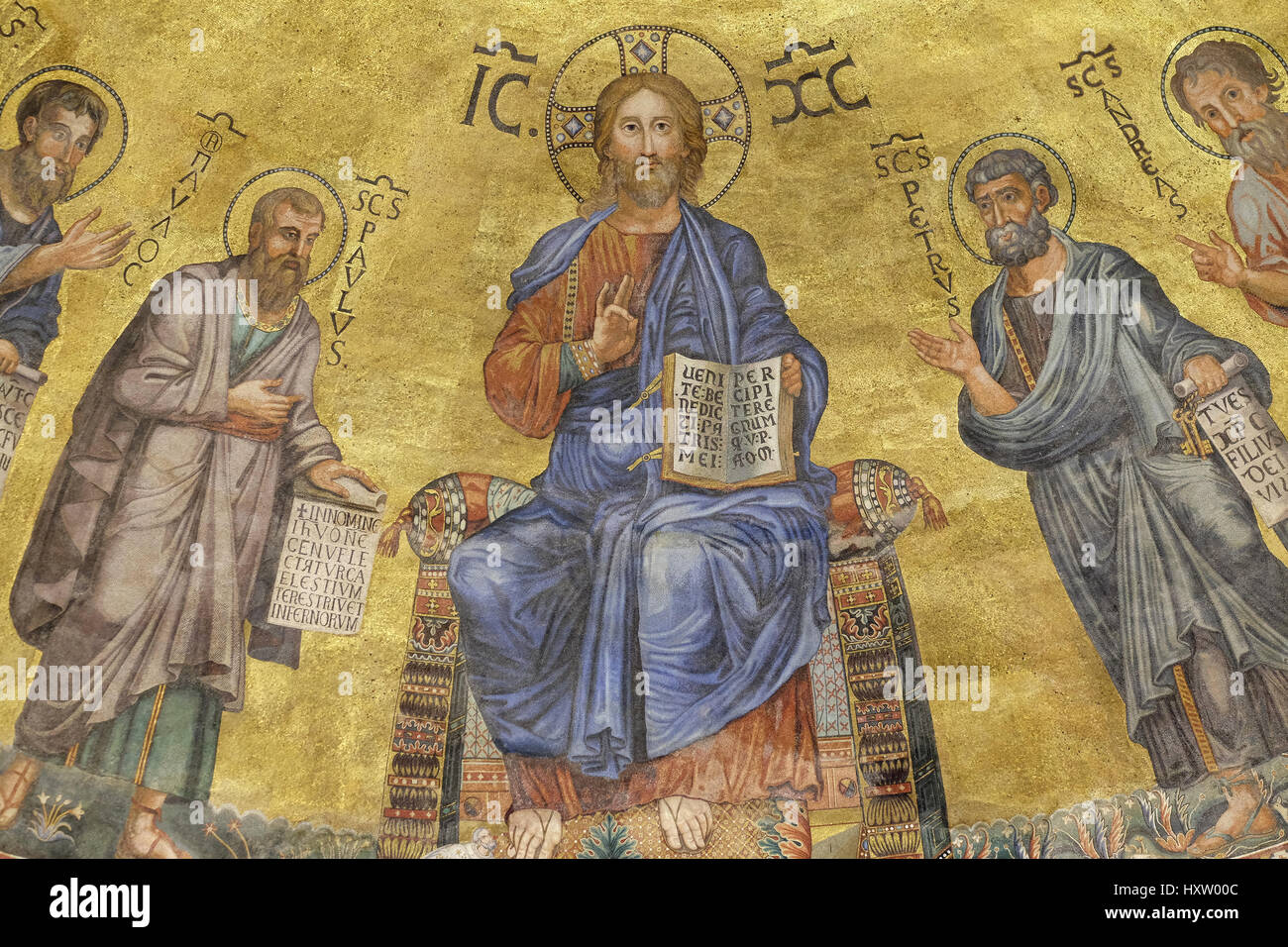
Look at the Coronation of Charlemagne in the Psalter of Saint Louis (c. 1250s). The Frankish emperor kneels, but his posture is anything but submissive. Halos crown both him and the Pope, blurring the line between divine and earthly authority. The body here is not just human—it’s anointed, elevated, semi-sacred.
Royal iconography followed strict conventions: - Eyes forward: direct gaze suggests divine mandate - Raised right hand: blessing, echoing Christ - Scepter and orb: symbols of earthly dominion under God
These weren’t accidental choices. They were visual propaganda. The king’s body became a mirror of Christ’s—just as Christ ruled the spiritual realm, the king ruled the temporal, by divine delegation.
Common mistake: Modern viewers often interpret medieval royal portraits as stiff or awkward. But the rigidity wasn’t failure—it was intent. Naturalism was avoided to emphasize permanence, order, and sacred duty.
Gender, Flesh, and the Sacred Feminine
If male bodies symbolized authority and sacrifice, female bodies in medieval art navigated a far more complex terrain—simultaneously sacred and suspect.
The Virgin Mary is the apex of this duality. In icons and altarpieces, she’s serene, clothed, and elevated—often larger than other figures, signifying spiritual importance. Her body, though feminine, is purified through perpetual virginity. She’s Theotokos—God-bearer—her womb a holy container.
Yet elsewhere, female bodies are punished or controlled. Eve, in countless Last Judgment scenes, is shown naked, small-breasted, often being cursed or expelled. Her body is the origin of sin.
Then there’s Mary Magdalene—a figure of contradictions. In some depictions, she’s the repentant sinner, long hair covering her nakedness, weeping at Christ’s feet. In others, she’s the apostle to the apostles, robed and dignified.
Workflow insight: Artists often used hair as a symbolic tool. Unbound female hair signaled sexual availability or penitence; covered hair meant virtue or monastic devotion.
The female body, then, was a theological tightrope—either vessel of purity or site of temptation. Art didn’t reflect this tension; it enforced it.
Disability and the Body Divine
One of the most revealing aspects of medieval bodily theology is how disability was portrayed—not as defect, but as spiritual opportunity.
In healing miracles, disabled bodies are central. The lame walk, the blind see, the mute speak—not because medicine improves, but because divine power overrides physical limitation.
But the depiction isn’t always compassionate. In Romanesque tympana, the damned are often shown with twisted limbs, grotesque faces, or animal features. Their bodies reflect inner corruption.
Meanwhile, the elect stand tall, symmetrical, radiant.
This dichotomy served a purpose: to visually reinforce moral order. The body’s appearance became a proxy for spiritual state.
Example: At the Abbey Church of Sainte-Foy in Conques, the Last Judgment tympanum shows Christ separating the saved from the damned. The saved are youthful, serene; the damned are contorted, gnarled, some even vomiting souls into hell’s mouth. The body isn’t just judged—it reveals judgment.
Modern viewers might see bias or stigma. But in context, this was coherent theology: the resurrection promised not just life after death, but bodily transformation. The broken body would be made whole—if the soul was worthy.
The Monastic Body: Discipline as Theology For monks and nuns, the body wasn’t just symbolic—it was a project. Fasting, flagellation, sleep deprivation—these weren’t just practices. They were theological acts.
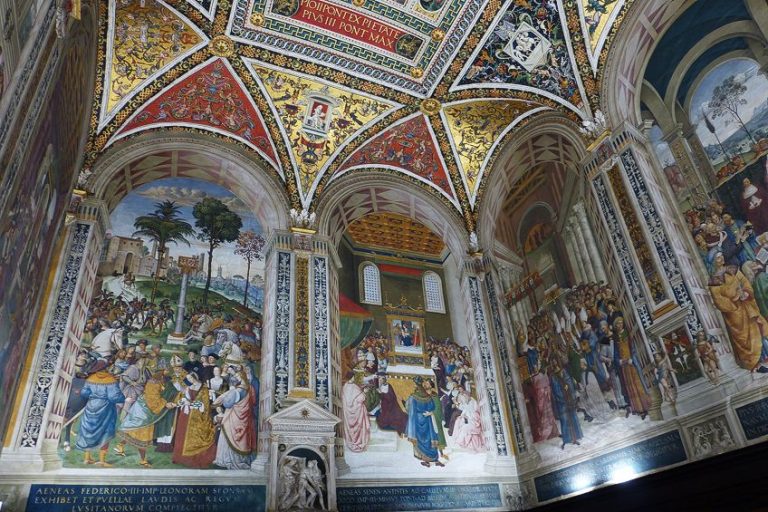
Art reflected this. Illuminated manuscripts show monks scourging themselves, emaciated from fasting, kneeling in prayer for hours. Their bodies are weak, but their art frames this as strength.
Practical example: The Life of St. Bruno manuscripts depict the founder of the Carthusian order in perpetual prayer, his body bent, face gaunt. He isn’t suffering—he’s transcending. His flesh is a site of resistance against worldly desire.
These images weren’t hidden. They were shared, copied, revered. They taught that spiritual progress required bodily denial.
At stake was a core medieval belief: the body must be mastered to free the soul. Art didn’t just show this—it trained viewers to accept it.
Art as Political Theater
Beyond the church, the body in medieval art was a weapon of statecraft.
Triumphal arches, city gates, and public sculptures displayed rulers in poses of conquest. Think of the bronze equestrian statues—emperors mounted high, gaze distant, lance raised. The horse alone outweighs several men; the rider commands nature and man alike.
Even in manuscripts, imagery served policy. The Très Riches Heures du Duc de Berry shows the duke not just in prayer, but surrounded by seasonal labors—peasants sowing, harvesting, feasting. His presence looms over the calendar. His body may be small on the page, but his authority is omnipresent.
Limitation to note: Most of this art was accessible only to the elite or clergy. The illiterate majority encountered theology and politics through church art—stained glass, frescoes, sculptures. For them, the body in art wasn’t abstract. It was truth.
Conclusion: The Body Was Never Just Flesh Medieval art didn’t depict bodies—it deployed them.
Every posture, wound, garment, and gaze carried doctrine. Every saint’s limb, every ruler’s crown, every virgin’s veil was a calculated statement about power, salvation, and order.
To study medieval art is to see how belief and authority were literally embodied. The canvas, the stone, the manuscript page—all were stages where theology and politics performed through the human form.
Want to understand the Middle Ages? Stop looking for realism. Start reading the body.
FAQ
Why are bodies in medieval art so unrealistic? They weren’t aiming for anatomical accuracy. Proportions and poses served symbolic purposes—holiness, power, suffering—over visual realism.
Did medieval artists know how bodies actually looked? Yes, but artistic conventions prioritized message over mimicry. Medical texts from the period show accurate anatomical knowledge, but religious art followed theological rules.
How did politics influence depictions of royal bodies? Kings were shown with halos, blessing gestures, and divine light to suggest God-approved rule. Their bodies were visual arguments for legitimacy.
Why are female bodies often shown in extreme states—virginal or sinful? Medieval theology framed women through Eve and Mary. This binary shaped how female bodies were depicted: either pure vessels or sources of temptation.
What role did relics play in medieval art? Relics turned bodies (or body parts) into sacred objects. Art often depicted their miracles, reinforcing the church’s power and the body’s spiritual potential.
Were disabled people portrayed with empathy in medieval art? Rarely in a modern sense. Disability was often symbolic—either as a condition for miraculous healing or as a mark of moral failing in depictions of the damned.
How did monastic discipline influence art? Monks’ self-punishing practices were glorified in art as spiritual victory. Emaciation and pain were signs of closeness to God, not suffering to be avoided.
FAQ
What should you look for in How Medieval Art Turned the Body into Sacred Power? Focus on relevance, practical value, and how well the solution matches real user intent.
Is How Medieval Art Turned the Body into Sacred Power suitable for beginners? That depends on the workflow, but a clear step-by-step approach usually makes it easier to start.
How do you compare options around How Medieval Art Turned the Body into Sacred Power? Compare features, trust signals, limitations, pricing, and ease of implementation.
What mistakes should you avoid? Avoid generic choices, weak validation, and decisions based only on marketing claims.
What is the next best step? Shortlist the most relevant options, validate them quickly, and refine from real-world results.