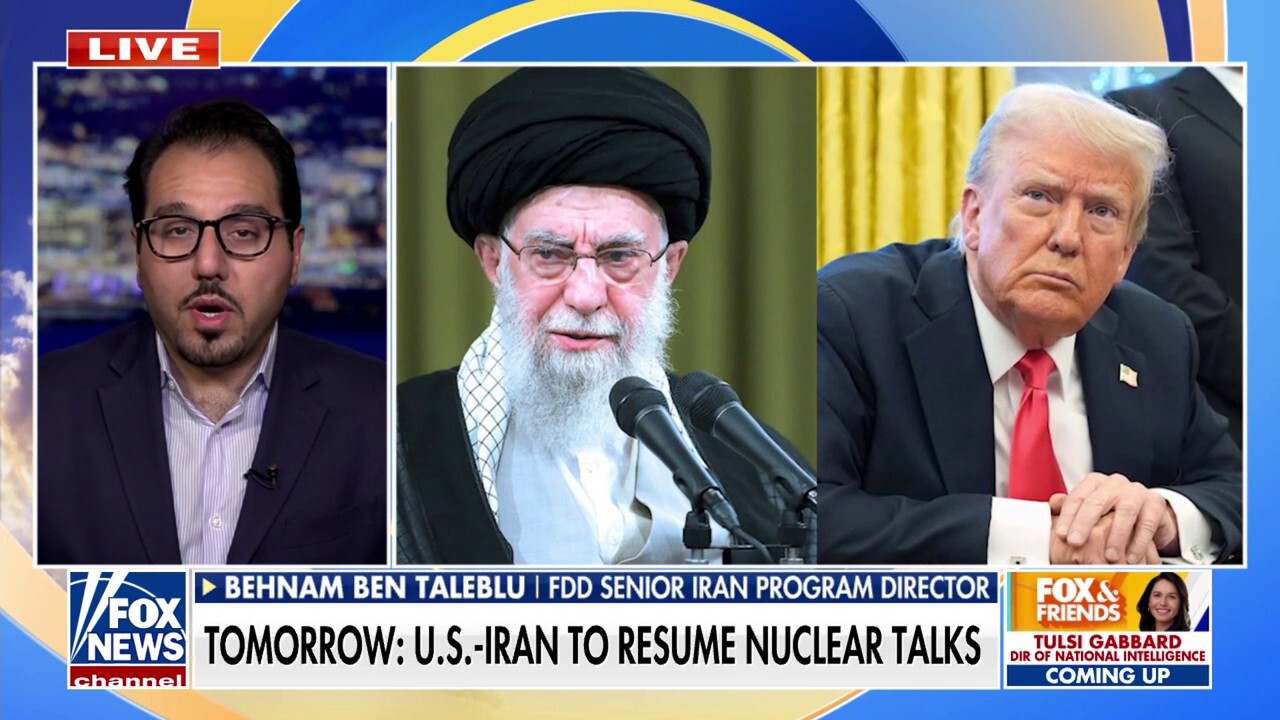
A microphone in hand, a national stage, and a moment of raw confrontation—Donald Trump’s latest clash with a 60 Minutes anchor over the reading of an alleged gunman’s manifesto has reignited tensions between political figures and media institutions. The fallout wasn’t just performative outrage; it exposed deeper fractures in how media handles extremism, attribution, and the thin line between reporting and amplification.
When a CBS correspondent read excerpts from the suspect’s writing during a broadcast segment, Trump responded with fury, accusing the network of giving terrorists a platform. His immediate tweets and public statements framed the act as not just irresponsible, but dangerous—a claim echoed by allies who argue the media often elevates violent ideologies under the guise of transparency.
This incident isn’t isolated. It’s part of a long-standing debate: should news outlets publish or read content directly from perpetrators of political violence? And when they do, where’s the editorial responsibility?
The Flashpoint: What Happened on 60 Minutes?
During a segment focused on a recent political assassination attempt linked to an extremist figure, a 60 Minutes anchor read several passages from a document attributed to the alleged gunman. The manifesto contained anti-government rhetoric, personal grievances, and veiled threats aimed at political leaders, including Trump.
The intent, according to CBS, was to provide viewers with unfiltered insight into the suspect’s mindset. But the decision to read it verbatim—rather than summarize or paraphrase—sparked immediate backlash.
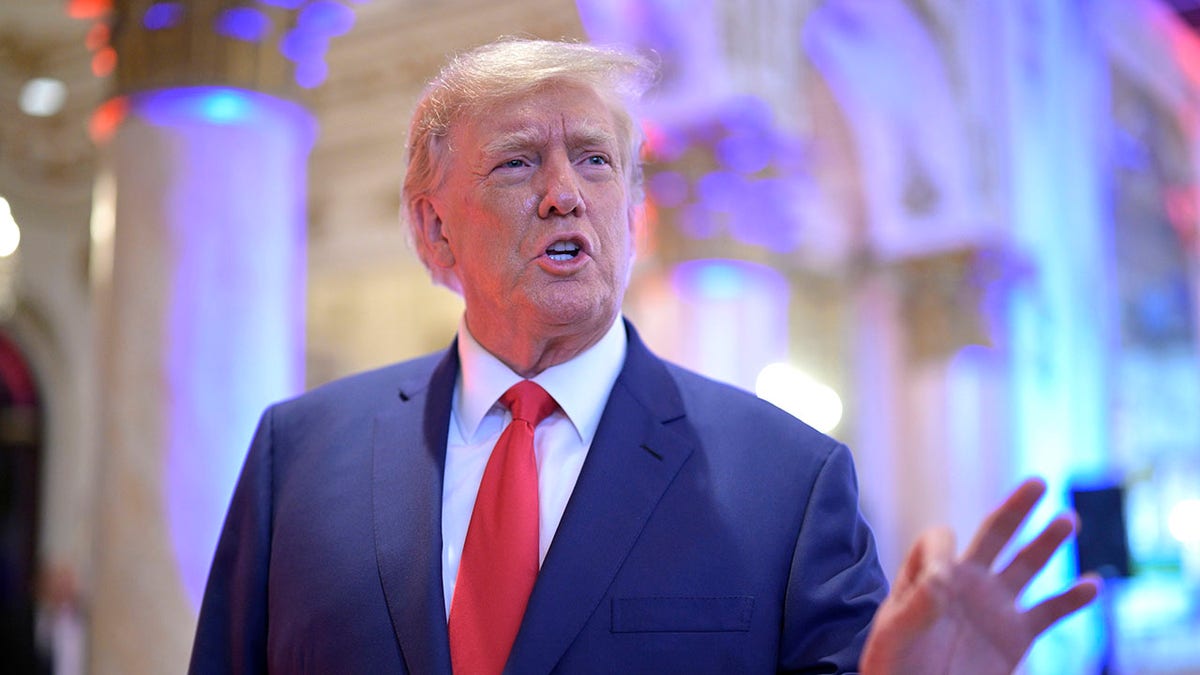
Trump seized on the moment. In a statement released hours after the broadcast, he condemned the anchor’s actions as "a disgrace to journalism" and accused CBS of "promoting the words of a would-be assassin." He went further, suggesting the network was complicit in spreading hate: "They didn’t report the truth—they recited the evil."
Why This Moment Escalated So Quickly
The speed and intensity of Trump’s response reflect more than personal offense. They highlight a strategic sensitivity to media narratives—especially those that tie his rhetoric to violence.
Historically, Trump has rejected any suggestion that his language incites aggression. Yet multiple incidents—from Charlottesville to the January 6 Capitol attack—have prompted scrutiny over how his speeches and social media posts are interpreted by radicalized individuals.
By attacking 60 Minutes, Trump reframed the conversation. Instead of focusing on the gunman’s ideology or motives, he redirected attention to the media’s role in amplifying it. This is a long-standing tactic: delegitimize the messenger to undermine the message.
The move was effective. Within 24 hours, conservative outlets echoed his criticism, branding the segment as “glorification of violence.” Online, hashtags like #CensorTheManifesto trended among right-leaning users. The media’s editorial choice became the story—not the content of the manifesto itself.
The Ethical Tightrope: Reporting vs. Amplification
News organizations have grappled with this dilemma for decades. When Anders Breivik killed 77 people in Norway in 2011, some outlets published his manifesto in full. Critics argued it risked inspiring copycats. Defenders said transparency was essential to understanding extremism.

The same tension surfaced after the Buffalo supermarket shooting in 2022, where a white supremacist published a manifesto online before his attack. Major networks summarized the document but avoided direct quotes. Some, however, included short audio clips or on-screen text of key phrases—crossing a line, in some eyes.
60 Minutes, known for its in-depth investigative style, likely saw value in letting the audience “hear” the gunman’s voice. But critics argue that reading the words aloud—especially by a trusted journalist—lends them undue authority.
Consider this: when a network anchor delivers a passage with measured tone and gravitas, it can unintentionally signal legitimacy. The viewer may not just hear the words—they may internalize them as part of a serious discourse, rather than the ravings of a disturbed individual.
How Media Outlets Typically Handle Manifestos
There’s no universal protocol. Each outlet makes judgment calls based on editorial standards, audience expectations, and perceived newsworthiness.
Here’s how major networks have approached similar situations:
- CNN – Generally avoids reading manifestos verbatim. Prefers expert analysis and selective paraphrasing. In the wake of mass shootings, it often brings on psychologists to dissect the text without quoting it directly.
- Fox News – More likely to quote extremist writings when framing them as evidence of broader cultural decay. However, it often contextualizes them within political narratives (e.g., "radical left ideology").
- MSNBC – Similar to CNN, emphasizes context. Rarely reads full passages. Instead, uses clips or text overlays to highlight specific lines during panel discussions.
- BBC – Adheres to strict guidelines. The UK public broadcaster typically summarizes manifestos and only quotes minimally, always with clear disclaimers about the source.
- Reuters and AP – Wire services avoid reproducing manifestos unless legally required or critically relevant. Their style is factual, concise, and de-emotionalized.
60 Minutes sits in a gray zone. As a long-form program, it allows deeper dives—but that depth comes with greater risk. In this case, the decision to read from the document may have been intended to shock, provoke, or inform. But the outcome was polarization.
Trump’s Broader Pattern of Media Confrontation
This isn’t the first time Trump has lashed out at journalists for covering controversial material tied to his image. In 2017, he attacked The New York Times for publishing classified leaks. In 2019, he called CNN “fake news” after a segment linked his rhetoric to rising hate crimes.
His approach follows a consistent playbook:
- Discredit the source – Label the outlet as biased or corrupt.
- Reframe the narrative – Shift focus from the original issue to the media’s conduct.
- Mobilize supporters – Use the incident to rally his base against a common enemy.
In this case, the playbook worked. Within hours, pro-Trump influencers amplified his message, accusing CBS of “platforming terrorists” and demanding accountability. Some even called for boycotts of the network.
But beneath the political noise lies a real journalistic dilemma: how do you report on dangerous ideas without spreading them?
When Transparency Crosses the Line
Transparency is a cornerstone of credible journalism. But it’s not absolute.
Reading a terrorist’s manifesto on national television—even to condemn it—can have unintended consequences:
- Imitation risk: Extremists often seek notoriety. Giving them a voice on a respected platform may encourage future actors to produce similar documents.
- Normalization: Repeated exposure to extremist language, even in a critical context, can desensitize audiences.
- Distortion: Pulling quotes out of the full document may misrepresent intent—or worse, highlight the most inflammatory lines while burying context.
Best practices in crisis reporting recommend: - Avoiding direct quotation unless strictly necessary. - Providing immediate context and expert analysis. - Refraining from naming or showing perpetrators prominently (the “no notoriety” standard). - Using warnings before airing disturbing content.
60 Minutes did include a disclaimer before the segment. But critics argue that isn’t enough. Once the words are spoken, they’re out in the world—replicated on social media, clipped, remixed, and weaponized.
The Bigger Picture: Political Violence and Media Responsibility
This incident underscores a growing challenge in modern journalism: covering political violence without fueling it.
As polarization deepens, media coverage becomes a battleground. Every editorial choice—what to show, what to say, who to quote—is interpreted through a political lens.
For networks like CBS, the pressure is twofold. They must inform the public while avoiding complicity in radicalization. For figures like Trump, the media is both a megaphone and a scapegoat—useful when promoting messages, vilified when scrutinizing them.
The real danger isn’t just in one segment or one backlash. It’s in the cycle: violence occurs → media reports on extremist ideology → political figures accuse media of amplification → public trust erodes → extremism grows in the shadows.
Breaking that cycle requires nuance. It means resisting the temptation to sensationalize, even in the name of truth-telling. It means asking, before hitting air: Does this help the public understand—or does it feed the fire?
A Way Forward: Responsible Reporting in a Volatile Age
- Use summary over quotation – Convey the essence without repeating dangerous language.
- Prioritize expert interpretation – Let psychologists, counterterrorism experts, and ethicists frame the material.
- Limit visual and audio reproduction – Avoid showing manifestos on-screen or reading them aloud unless critical.
- Issue clear warnings – Inform viewers about disturbing content before it airs.
- Avoid naming perpetrators – Focus on victims and law enforcement response instead.
For political figures, the responsibility is different but equally pressing. Instead of reflexively attacking the press, leaders should engage in constructive dialogue about how to report on violence without escalating fear.
Trump’s response, while politically expedient, didn’t offer solutions. It offered blame.
Closing: Demand Better from Media and Leaders Alike
The clash between Trump and 60 Minutes isn’t just about one broadcast. It’s a symptom of a broken information ecosystem—where outrage sells, nuance loses, and violence gains oxygen from both sides.
As consumers of news, we must hold outlets accountable for reckless coverage. But we must also reject the reflex to silence inconvenient truths in the name of political protection.
The answer isn’t censorship. It’s responsibility—on the part of journalists, editors, and the powerful figures they cover.
Next time a manifesto surfaces, ask: who benefits from hearing it? And is the public truly safer for having listened?
Demand reporting that informs without inflaming. And reject rhetoric that punishes truth-tellers while ignoring root causes.
That’s not just good journalism. It’s necessary for democracy.
FAQ
What should you look for in Trump Slams 60 Minutes Anchor Over Manifesto Reading? Focus on relevance, practical value, and how well the solution matches real user intent.
Is Trump Slams 60 Minutes Anchor Over Manifesto Reading suitable for beginners? That depends on the workflow, but a clear step-by-step approach usually makes it easier to start.
How do you compare options around Trump Slams 60 Minutes Anchor Over Manifesto Reading? Compare features, trust signals, limitations, pricing, and ease of implementation.
What mistakes should you avoid? Avoid generic choices, weak validation, and decisions based only on marketing claims.
What is the next best step? Shortlist the most relevant options, validate them quickly, and refine from real-world results.