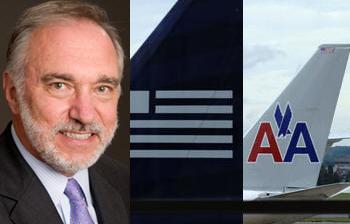
When the CEO of a Fortune 500 airline publicly calls out a direct competitor for refusing strategic discussions, it’s not just corporate posturing—it’s a calculated move with deeper implications. United Airlines CEO Scott Kirby has done exactly that, launching sharp criticism at American Airlines for declining to engage in merger talks. This isn’t a behind-closed-doors negotiation gone sour; it’s a public indictment that signals shifting power dynamics, competitive tension, and the growing pressure on legacy carriers to adapt in a rapidly evolving industry.
Kirby’s remarks didn’t come in a press release or a shareholder letter. They surfaced in interviews and public forums, where he framed American’s refusal as short-sighted and detrimental to the broader U.S. airline sector. The message was clear: United sees consolidation as inevitable. American’s hesitation, in United’s view, isn’t caution—it’s resistance to progress.
Why United Wanted the Merger
The logic behind United’s push for a merger with American isn’t speculative. It’s rooted in real structural challenges facing the U.S. airline industry. Despite record-breaking passenger volumes post-pandemic, airlines continue to grapple with aging fleets, pilot shortages, infrastructure bottlenecks, and intense competition from low-cost carriers. A union between United and American would create the largest airline in the world by available seat miles, with unmatched domestic coverage and international reach.
More importantly, such a merger could deliver operational efficiencies that smaller-scale cost-cutting can’t match. Route duplication—like multiple daily flights from Chicago to Dallas or New York to Los Angeles—could be streamlined. Gate access at congested hubs like Dallas/Fort Worth, O’Hare, and Reagan National could be better coordinated. Maintenance, fuel procurement, and labor contracts could be optimized across a single network.
But it’s not just about cost savings. United sees strategic value in shaping the future of transatlantic and transpacific routes, where competition with foreign carriers—especially from the Middle East and Asia—is intensifying. A combined United-American entity could better leverage alliances, codeshares, and joint ventures to compete globally.
American Airlines’ Stance: Independence Over Integration
American Airlines, however, sees things differently. Leadership, including CEO Robert Isom, has repeatedly emphasized a commitment to independence. Their argument rests on several pillars:
- Shareholder value: American believes going it alone allows for faster decision-making and more focused investment.
- Cultural fit concerns: Merging two of the largest labor organizations in aviation—each with complex union structures—would be a multi-year integration nightmare.
- Regulatory risk: A merger of this scale would face immediate antitrust scrutiny from the Department of Justice and the Federal Aviation Administration.
American also points to its recent operational improvements. On-time performance has rebounded, customer satisfaction scores are climbing, and the airline has made significant strides in upgrading its fleet and digital platforms. From their perspective, doubling down on execution beats the uncertainty of a megamerger.
But Kirby isn’t buying it. In a pointed comment, he suggested American is “afraid of change” and “overestimating its ability to compete alone.” That kind of language isn’t common in the typically diplomatic world of airline executives. It’s a direct shot—one that suggests United may be preparing the public and regulators for a longer campaign to reshape the industry, with or without American’s cooperation.
Industry Reaction: Skepticism and Speculation

Wall Street’s response has been mixed. Some analysts see merit in United’s long-term vision. “Scale matters more than ever,” said one transportation equity analyst at a major investment bank. “If you’re not Delta or United, you’re fighting for scraps. If you’re not one of the top two, you’re vulnerable.”
Others are more cautious. “A United-American merger would be a regulatory minefield,” noted an aviation policy expert. “Even if both boards agreed, the DOJ would demand massive divestitures—or block it outright.”
Labor unions have also weighed in. The Association of Flight Attendants (AFA) issued a statement warning that any merger would “inevitably lead to job losses, base relocations, and service cuts to smaller markets.” Pilots’ unions echoed the concern, stressing that integrating seniority lists could take years and create internal friction.
Yet, the mere fact that United is publicly pushing this narrative suggests they believe the political and economic climate might be shifting. With inflation easing and travel demand holding strong, there’s growing appetite among investors for bold moves—even if they come with risk.
What a Merger Would Actually Look Like
To understand the stakes, it helps to imagine what a United-American combination would truly entail.
Fleet and Operations A merged airline would operate over 1,700 aircraft, serving 350+ destinations worldwide. The combined network would dominate key business markets like New York, Chicago, Dallas, and Los Angeles. It would control a majority of seats on dozens of high-demand domestic routes.
But integration would be complex. United primarily uses Boeing aircraft (737s, 777s, 787s), while American relies on both Boeing and Airbus (A320 family, A330s). Harmonizing maintenance, training, and supply chains across two OEMs would require massive coordination.
Hubs and Infrastructure The merged airline would likely maintain six major hubs: Chicago (ORD), Denver (DEN), Houston (IAH), Los Angeles (LAX), Newark (EWR), and Washington-Dulles (IAD) from United; Dallas/Fort Worth (DFW), Charlotte (CLT), and Philadelphia (PHL) from American. That’s nine hubs—too many for long-term efficiency.
Consolidation would be inevitable. Smaller hubs like Philadelphia or Charlotte might see reduced service. Secondary cities could lose direct flights as the network focuses on profitability over coverage.
Workforce and Culture
With over 150,000 employees combined, this would be one of the largest corporate integrations in recent history. United’s reputation for innovation and digital transformation contrasts with American’s more traditional, union-heavy culture. Bridging that gap would require more than HR policies—it would demand a complete cultural overhaul.
Why American Said No—And May Be Right
While United frames the refusal as stubbornness, American’s decision may be more strategic than emotional. Consider:
- Delta’s dominance: Delta Air Lines has quietly pulled ahead in profitability and operational reliability. A United-American merger would be a defensive play to catch up—not a proactive strategy.
- Regional competition: Southwest, Alaska, and JetBlue continue to erode legacy carriers’ market share in key regions. A merger wouldn’t solve that problem; it might distract from it.
- Brand equity: Both United and American have spent years rebuilding their reputations post-bankruptcy and post-pandemic. Merging risks alienating loyal customers during a turbulent transition.
American may believe that investing in technology, customer experience, and fleet modernization delivers better returns—without the regulatory headaches and employee unrest a merger would bring.
Precedent: What Past Mergers Teach Us
The airline industry has seen major mergers before—and the results are mixed.
- Delta-Northwest (2008): Widely considered successful. Delta used the merger to streamline routes, upgrade service, and become the most profitable U.S. carrier.
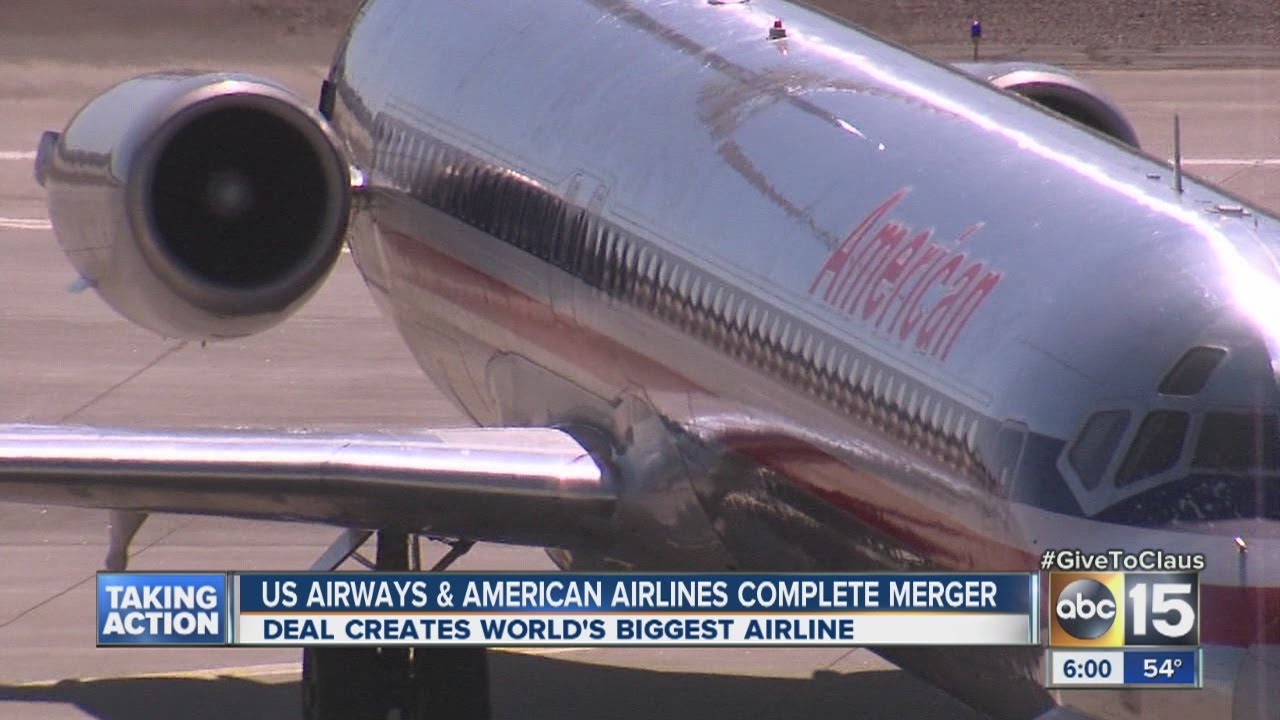
- American-US Airways (2013): A rocky integration plagued by IT failures, employee disputes, and service disruptions. It took nearly a decade to stabilize.
- United-Continental (2010): Infamously difficult. The merger led to years of operational chaos, low employee morale, and a damaged brand—so much so that United only recently recovered its reputation.
These cases show that scale alone doesn’t guarantee success. Integration capability, leadership alignment, and cultural compatibility matter just as much as balance sheets.
The Bigger Picture: Consolidation Is Coming—Just Not This Way
Kirby’s public criticism may not force American to the table. But it does something arguably more important: it normalizes the idea of further consolidation. With Alaska absorbing Hawaiian and JetBlue attempting (and failing) to acquire Spirit, the industry is already consolidating—just not at the mega-carrier level.
What’s more likely is a wave of regional deals, joint ventures, and deeper alliances. United could strengthen its ties with Air Canada or Lufthansa. American might expand its partnership with JetBlue in the Northeast Corridor. These moves offer many of the benefits of a merger—better route coordination, shared loyalty programs, joint pricing—without the antitrust risk.
What This Means for Travelers
Passengers should expect ripple effects, even if no merger happens.
- Fewer choices on popular routes: As airlines optimize networks, some city pairs may lose service or see reduced frequency.
- Higher fares in concentrated markets: With less competition, prices could rise—especially on nonstop business routes.
- Better loyalty programs: Airlines will invest more in rewards to retain high-value customers amid tighter competition.
- More premium cabins and amenities: To differentiate, carriers will upgrade seats, add Wi-Fi, and improve service.
The era of cutthroat pricing and ultra-low fares may be fading. The new priority is profitability—and sustainability.
Final Take: United’s Gambit Was Never Just About American
Scott Kirby’s criticism wasn’t just a negotiation tactic. It was a message to investors, regulators, and the industry: United is ready to lead the next phase of airline consolidation. Whether that happens through merger, acquisition, or alliance, the days of four major U.S. carriers may be numbered.
American Airlines may have said no—for now. But the pressure won’t disappear. The industry is too fragmented, too capital-intensive, and too competitive to remain static.
For United, this isn’t the end of the conversation. It’s the opening move.
Frequently Asked Questions
Why did United want to merge with American Airlines? United sees strategic benefits in scale, including cost savings, route optimization, and stronger global competition, especially against foreign carriers.
Why did American Airlines refuse the merger talks? American cited concerns over regulatory hurdles, cultural integration, and a belief that it can grow more effectively as an independent carrier.
Would a United-American merger have been approved by regulators? It would face intense antitrust scrutiny. The Department of Justice has historically blocked mergers that reduce competition on key routes.
How would a merger affect flight prices? It could lead to higher fares on routes where United and American currently compete, due to reduced competition.
What would happen to frequent flyer programs? Merging MileagePlus and AAdvantage would be complex. A new program would likely be created, with adjustments to miles, elite status, and redemption options.
Could United pursue another airline instead? Possibly. Alaska Airlines or JetBlue could be more feasible targets, though both come with their own challenges.
What’s the future of U.S. airline consolidation? Further mergers are likely, but more probable through joint ventures or alliances than full-scale megamergers.
FAQ
What should you look for in United Chief Slams American Airlines Over Merger Rejection? Focus on relevance, practical value, and how well the solution matches real user intent.
Is United Chief Slams American Airlines Over Merger Rejection suitable for beginners? That depends on the workflow, but a clear step-by-step approach usually makes it easier to start.
How do you compare options around United Chief Slams American Airlines Over Merger Rejection? Compare features, trust signals, limitations, pricing, and ease of implementation.
What mistakes should you avoid? Avoid generic choices, weak validation, and decisions based only on marketing claims.
What is the next best step? Shortlist the most relevant options, validate them quickly, and refine from real-world results.