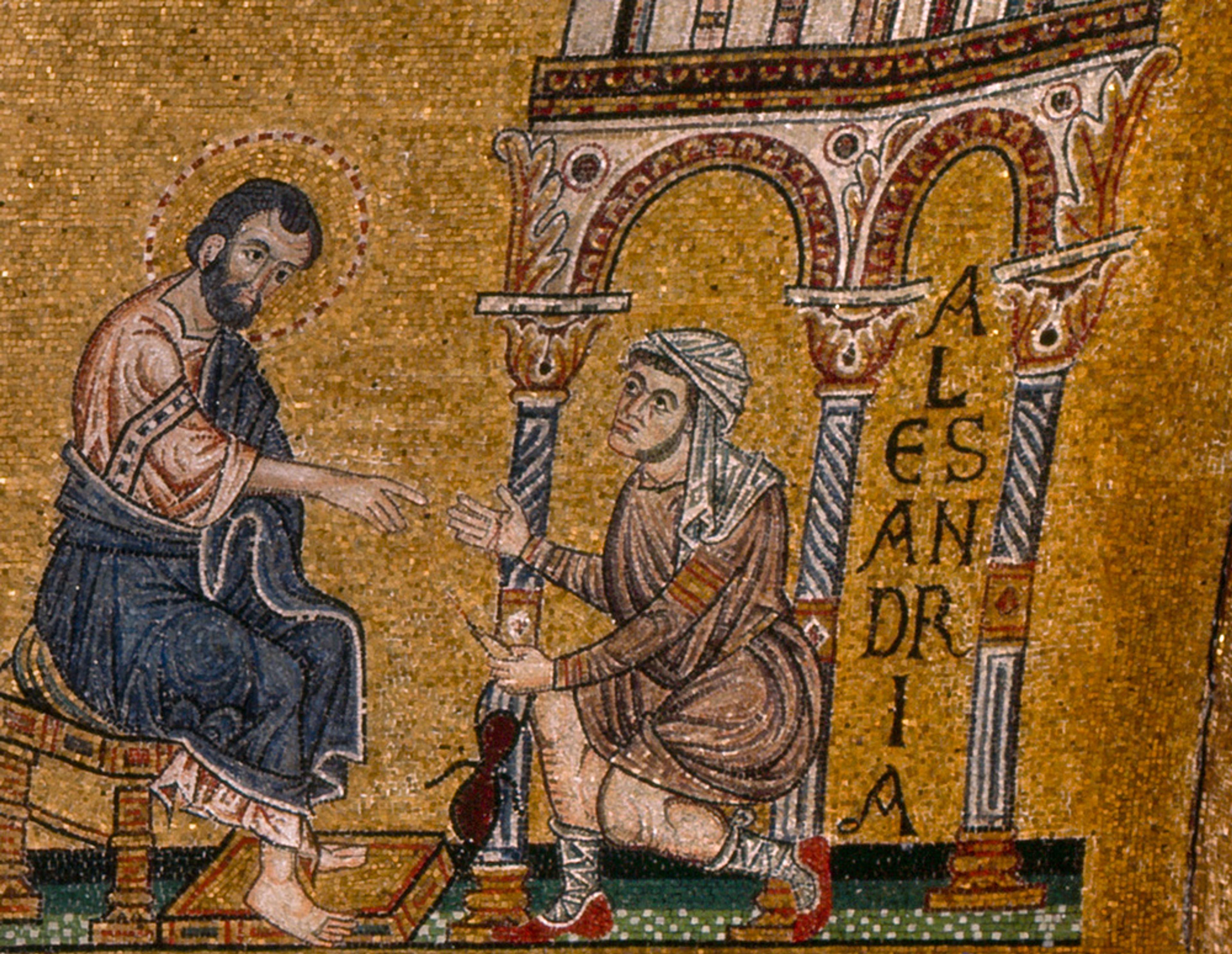
The human body in medieval art doesn’t just appear—it performs. Whether emaciated in martyrdom, rigid in divine glory, or distorted by sin, the body was never neutral. It was a vessel for theology, a tool of political control, and a battlefield where spiritual authority was asserted and contested. To look at a medieval fresco or illuminated manuscript is to see more than saints and sinners; it’s to witness the ideological architecture of an era where every limb, wound, and posture carried meaning.
Far from decorative, these depictions were instrumental in shaping belief, reinforcing power structures, and disciplining populations. Kings were consecrated, heresies suppressed, and divine right affirmed through the calculated representation of flesh and blood. The body, in this context, was never just biological—it was theological and political by design.
Let’s dissect how medieval art transformed the physical form into a site of sacred authority and social order.
The Body as Divine Theater
Medieval art didn’t aim for anatomical accuracy. It sought theological precision. Every figure in a church fresco, every illuminated evangelist, was arranged not for realism but for doctrinal clarity. The body became a stage where divine narratives unfolded—Christ’s crucifixion, the resurrection of saints, the agony of the damned.
Consider the Crucifixion panels common in Romanesque and Gothic churches. Christ is often depicted not as a dying man, but as a triumphant king—eyes open, posture upright, wounds minimized. This Christus Rex (Christ the King) imagery wasn’t accidental. It emphasized his divine sovereignty over death, reinforcing the Church’s claim to spiritual authority. The body, even in suffering, was engineered to preach.
At the same time, the bodies of saints were stylized to communicate sanctity. Emaciation signaled ascetic purity. Glowing halos marked divine favor. Wounds—like St. Thomas’s doubt-pierced side or St. Sebastian’s arrow-riddled torso—were not just marks of martyrdom but visual sermons on faith under persecution.
These weren’t passive images. They were active tools of catechesis in a largely illiterate society. The body, rendered in paint and stone, became the primary medium through which theology was taught and absorbed.
Kingship and the Sacred Body Politic
The fusion of theology and politics reached its peak in the portrayal of monarchs. Medieval rulers were not just secular leaders—they were anointed, their authority framed as divinely sanctioned. This concept, known as the “body politic,” held that the king had two bodies: a mortal, physical one and an immortal, symbolic one tied to the state and God’s will.
Art reinforced this duality. Coronation scenes, such as those in the Biblia Pauperum or the Grandes Chroniques de France, show kings receiving crowns directly from angels or Christ himself. Their bodies are stiff, symmetrical, and often larger than surrounding figures—visual cues of hierarchy and divine election.
Take the 9th-century Ebbo Gospels, where Emperor Louis the Pious is shown being crowned by an angel. The image isn’t documentary—it’s propaganda. It positions imperial power as an extension of divine order, making rebellion not just treason, but heresy.
Even the physical presentation of royal bodies in effigies and tombs carried political weight. Effigies in cathedrals, like that of King John at Worcester, depict rulers in eternal prayer—hands clasped, eyes closed—not as dead, but as intercessors. Their bodies, even in stone, continue to serve God and legitimatize dynastic rule.
The Female Body: Virtue, Danger, and Control

No area reveals the politicization of the body more starkly than the depiction of women. In medieval art, the female form oscillated between extremes: the immaculate Virgin Mary and the grotesque witch or temptress. These portrayals weren’t merely aesthetic choices—they were instruments of social control.
The Virgin Mary, especially in Gothic sculpture, is idealized: serene, veiled, with downward gaze and hands folded in humility. Her body, though central to Christian theology (as the Theotokos, or God-bearer), is rendered passive and contained. She is the model of obedience—her purity non-threatening, her authority strictly maternal and spiritual.
Contrast this with depictions of Eve, female heretics, or pagan goddesses. They are often shown nude, contorted, with wild hair and exaggerated features. In the Last Judgment tympanum at Autun Cathedral, Eve is naked and cowering, her body twisted in shame—one hand covering her genitals, the other reaching for the forbidden fruit. The message is clear: female flesh is the site of original sin, a source of moral corruption.
This binary wasn’t accidental. It served institutional goals. By defining female bodies as either sacred vessels (Mary) or dangerous temptations (Eve), the Church reinforced patriarchal authority and justified the exclusion of women from ecclesiastical power. Art became a tool of gendered discipline.
Disability and the Theology of Suffering
The medieval body was also a map of moral and spiritual condition. Physical deformity, illness, and disability were rarely depicted neutrally. They were coded as signs of sin, divine punishment, or—paradoxically—spiritual grace.
In healing miracles portrayed in manuscripts like the Vie de Saint Louis, the crippled are shown crawling or dragging twisted limbs toward saints. Their bodies are distorted, their faces anguished. When healed, they stand upright—back straight, limbs restored—their bodies now aligned with divine order.
This theology of correction had political implications. It justified social hierarchies by framing physical perfection as a sign of God’s favor. Kings and bishops were shown with strong, symmetrical bodies; the diseased and disabled were marginalized—visually and socially.
Yet some disabled figures were venerated. Think of St. Fiacre, often shown with hemorrhoids (a condition linked to his ascetic life), or pilgrims with crutches at Santiago de Compostela. Their suffering wasn’t erased—it was sanctified. Pain became a form of devotion, disability a mark of closeness to God.
The body, then, was not just judged but interpreted. Every blemish, every limp, carried symbolic weight. To control the image of the body was to control who was seen as worthy, who was saved, and who belonged.
Monastic Discipline and the Body as Project
Monastic art reveals another dimension: the body as a site of self-transformation. In cloisters and scriptoria, monks didn’t just paint bodies—they were training their own.
Illuminated manuscripts like the Rule of St. Benedict often include scenes of monks scourging themselves, fasting, or kneeling in prayer. Their bodies are lean, faces gaunt—not from malnutrition, but from discipline. The flesh is not denied to destroy it, but to refine it into a vessel fit for God.
This ascetic ideal was deeply political. Monasteries were centers of learning, landholding, and influence. By presenting their bodies as disciplined and pure, monks positioned themselves as moral authorities—above secular rulers and corrupt clergy.
Their art reinforced this. In the St. Gall Plan, a 9th-century monastery layout, the infirmary and cemetery are placed near the church, reminding monks daily of bodily decay and the need for spiritual vigilance. The body, in this context, is a temporary shell to be mastered before eternity.
Liminal Bodies: Jews, Heretics, and the Other
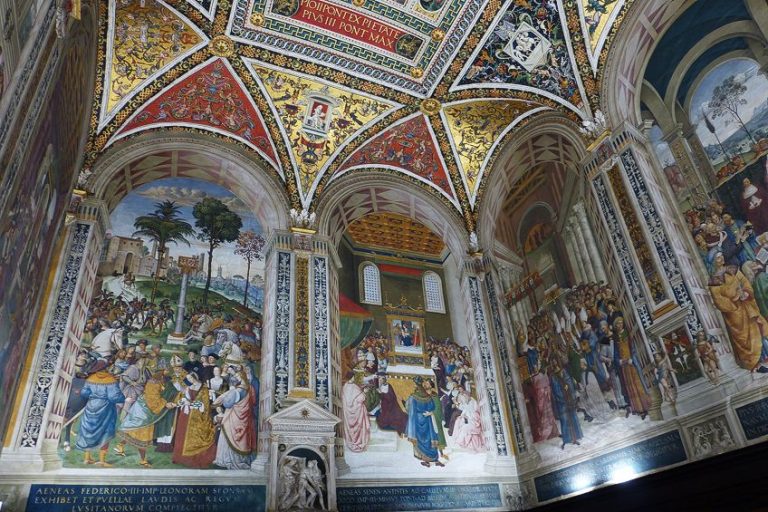
Perhaps the most disturbing use of the body in medieval art was in the demonization of outsiders. Theology and politics converged in depictions of Jews, Muslims, and heretics—whose bodies were distorted to mark them as spiritually and socially contaminating.
Anti-Jewish iconography, for instance, often showed Jews with grotesque features: hooked noses, dark skin, hunched backs. In the Synagoga and Ecclesia sculptures (e.g., at Strasbourg Cathedral), Synagoga—the personification of Judaism—is blindfolded, her staff broken, crown falling. Ecclesia—the Church—stands tall, crowned, holding a chalice. The contrast is theological and political: Judaism is obsolete, Christianity triumphant.
These images weren’t decorative. They justified expulsions, forced conversions, and violence. By marking the Jewish body as corrupt, art helped construct a social boundary enforced by law and fear.
Similarly, heretics like the Cathars were depicted being burned, their bodies consumed by flames in manuscript margins. These miniatures weren’t just records—they were warnings. The body, once deviant, could be publicly destroyed in the name of orthodoxy.
The message was clear: your body reveals your soul. And if your soul was wrong, the state and Church had the right—and duty—to correct it, by image or by fire.
The Body Endures: Legacy in Modern Imagery
We don’t need to look far to see the medieval legacy. Political leaders still use religious imagery—swearing oaths on Bibles, invoking divine favor. Statues of leaders are idealized, their flaws erased, echoing the stiff majesty of kings in cathedral reliefs.
Contemporary debates about gender, disability, and bodily autonomy are, in many ways, extensions of medieval questions: Who controls the body? Who defines its meaning? The Church may no longer dominate art, but the impulse to politicize and sacralize the body persists.
Even in protest art, we see echoes—bodies in cruciform poses during demonstrations, wounded figures symbolizing systemic injustice. The medieval fusion of body, belief, and power is not buried. It’s adapted.
Conclusion: See the Theology in the Flesh
To study medieval art is to learn a coded language—one where every gesture, posture, and wound speaks of deeper truths. The body was never a neutral subject. It was drafted into service: to teach doctrine, enforce hierarchy, sanctify power, and define the boundaries of the acceptable.
When you next see a crucifix, a royal effigy, or a saint’s statue, don’t just see a figure. See a statement. A claim. A battle fought not with swords, but with pigment and stone.
Look closely. The body is still speaking.
FAQ
Why were medieval bodies often stylized instead of realistic? Stylization emphasized spiritual truth over physical accuracy. The goal was theological instruction, not naturalism.
How did art reinforce the divine right of kings? By showing rulers crowned by angels or Christ, art visually linked monarchy to God, making rebellion both political and religious treason.
Was the Virgin Mary’s body politicized? Yes—her passive, pure form was used to promote ideals of female obedience and reinforce patriarchal religious structures.
Did disability have positive meanings in medieval art? Sometimes. While often seen as punishment, disability in saints or penitents could signify closeness to God through suffering.
How were Jews depicted, and why? Often with grotesque features to mark them as spiritually corrupt—supporting social exclusion and persecution.
Did monks view their bodies as political tools? Indirectly. Their disciplined bodies signaled moral authority, positioning monasteries as superior to secular power.
Is this body-politics dynamic still relevant today? Absolutely. From political imagery to debates on bodily autonomy, the medieval fusion of body, belief, and power continues to shape culture.
FAQ
What should you look for in How Medieval Art Turned the Body Into Sacred Politics? Focus on relevance, practical value, and how well the solution matches real user intent.
Is How Medieval Art Turned the Body Into Sacred Politics suitable for beginners? That depends on the workflow, but a clear step-by-step approach usually makes it easier to start.
How do you compare options around How Medieval Art Turned the Body Into Sacred Politics? Compare features, trust signals, limitations, pricing, and ease of implementation.
What mistakes should you avoid? Avoid generic choices, weak validation, and decisions based only on marketing claims.
What is the next best step? Shortlist the most relevant options, validate them quickly, and refine from real-world results.